Best Wireless Earbuds Under $100 in 2026
Top wireless earbuds under $100 for 2026. ANC, Hi-Res audio, and all-day battery from Soundcore, EarFun, Sony, Samsung, OnePlus, and CMF. Expert picks, pros...
As an Amazon Associate we earn from qualifying purchases made through our links — this doesn't affect our picks.
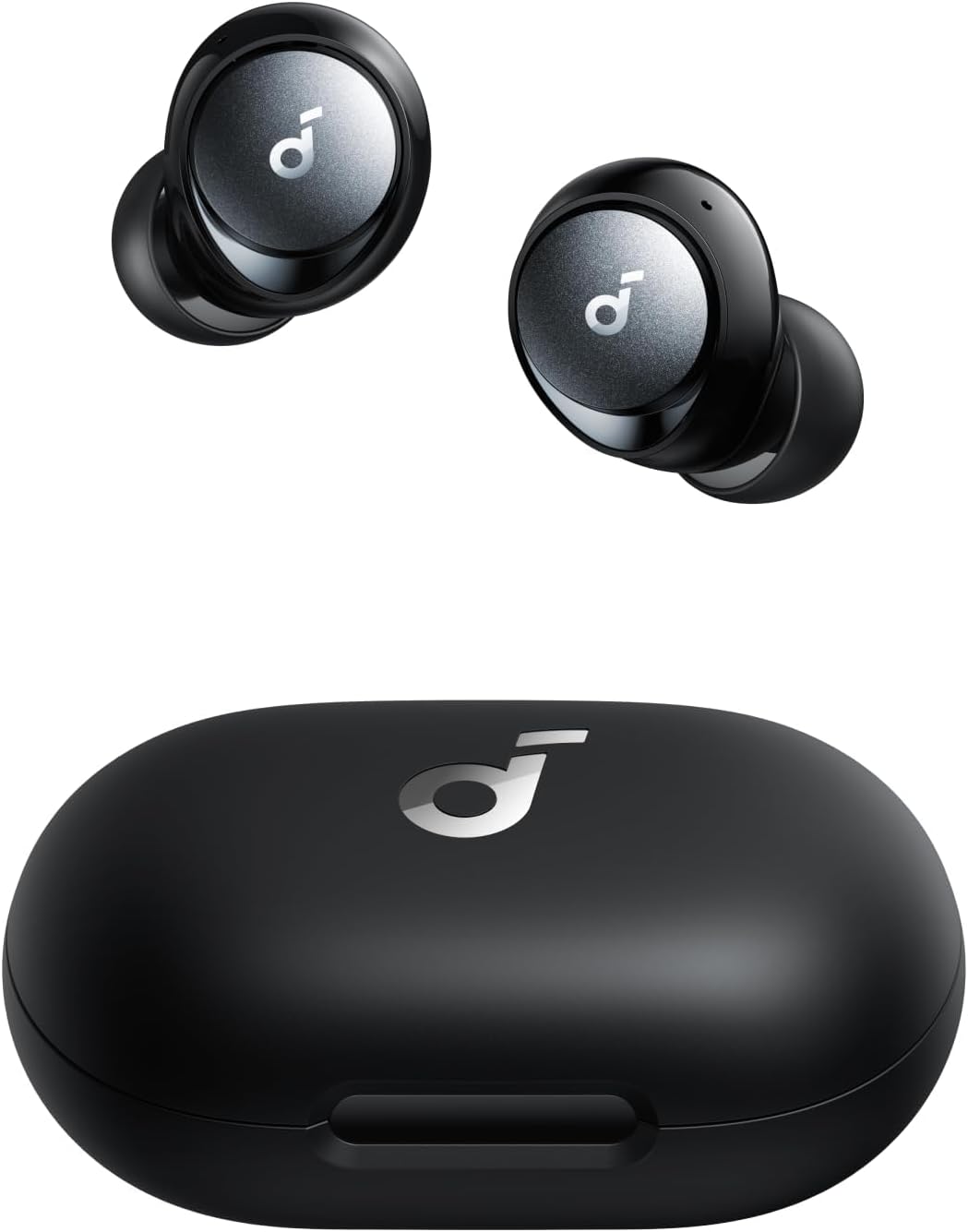
Soundcore Space A40
Best Overall
Price as of Mar 4, 2026 — see current price on Amazon.
The under-$100 earbuds category got competitive fast. Two years ago, anything below triple digits meant giving up noise canceling, decent codecs, or battery life that lasted past lunch. That changed. In 2026, the $50 to $100 range is where most of the genuine value sits -- you get adaptive ANC, LDAC or aptX support, multipoint connectivity, and 40-plus hours of total battery without paying flagship prices.
These picks draw on data from RTINGS, PCMag, Wirecutter, Scarbir, and Tom's Guide, cross-referenced with Amazon reviews and real customer complaints, narrowing the field to six earbuds that consistently earn praise across multiple sources. Every pick here delivers performance that would have cost $150 or more in 2024.
Quick picks
| Earbuds | ANC | Battery (total) | Waterproof | Price | |
|---|---|---|---|---|---|
| Soundcore Space A40 | Adaptive ANC | 50 hrs | IPX4 | ~$79 | Check Price |
| EarFun Air Pro 4 | Hybrid ANC | 52 hrs | IPX5 | ~$80 | Check Price |
| Sony WF-C700N | ANC | 20 hrs | IPX4 | ~$78 | Check Price |
| Samsung Galaxy Buds FE | ANC | 30 hrs | IPX2 | ~$70 | Check Price |
| OnePlus Buds 3 | Adaptive ANC | 44 hrs | IP55 | ~$80 | Check Price |
| CMF Buds Pro 2 | Hybrid ANC (50dB) | 43 hrs | IP55 | ~$60 | Check Price |
Best overall: Soundcore Space A40
Soundcore Space A40
Best for: Best OverallPros
- 50 hours total battery is best-in-class at this price
- Adaptive ANC adjusts to your environment automatically
- LDAC Hi-Res codec support for lossless audio
- Wireless charging on the case
- Multipoint connects two devices at once
- Soundcore app offers full EQ customization and HearID profiles
Cons
- ANC is competent but not class-leading against sharp noises
- IPX4 handles sweat but not heavy rain or submersion
- No transparency mode passthrough for voices
- Fit is snug and may cause fatigue during very long sessions
Price as of Mar 4, 2026 — see current price on Amazon.
RTINGS rates the Soundcore Space A40 as their top pick under $100, and it is easy to see why. Fifty hours of combined battery from earbuds and case is not a marketing stretch -- real-world testing consistently confirms 9 to 10 hours per charge with ANC on, and the case tops you off four more times. That means most people charge these once a week.
The adaptive ANC reads ambient noise levels and adjusts cancellation strength without manual cycling. It handles steady background noise like office HVAC, coffee shop murmur, and airplane cabin drone well. It struggles more with sudden sharp sounds like door slams, but that is true of most ANC under $150.
LDAC codec support is the standout for audio quality. Paired with a compatible Android phone, you get Hi-Res wireless audio at up to 990 kbps bitrate. The default tuning leans warm with mild bass emphasis, but the Soundcore app gives you an 8-band EQ and HearID hearing profile that personalizes the frequency curve to your ears.
Wireless charging on the case is a convenience feature most competitors in this range skip entirely. If you already have a Qi pad on your desk, you never think about cables.
One thing to know: the Space A40 does not have a dedicated transparency mode that pipes in voices clearly. The ANC can be toggled off, but there is no amplified pass-through for conversations. If you need to hear announcements frequently, the EarFun Air Pro 4 or Sony WF-C700N handle that better.
Best for audiophiles: EarFun Air Pro 4
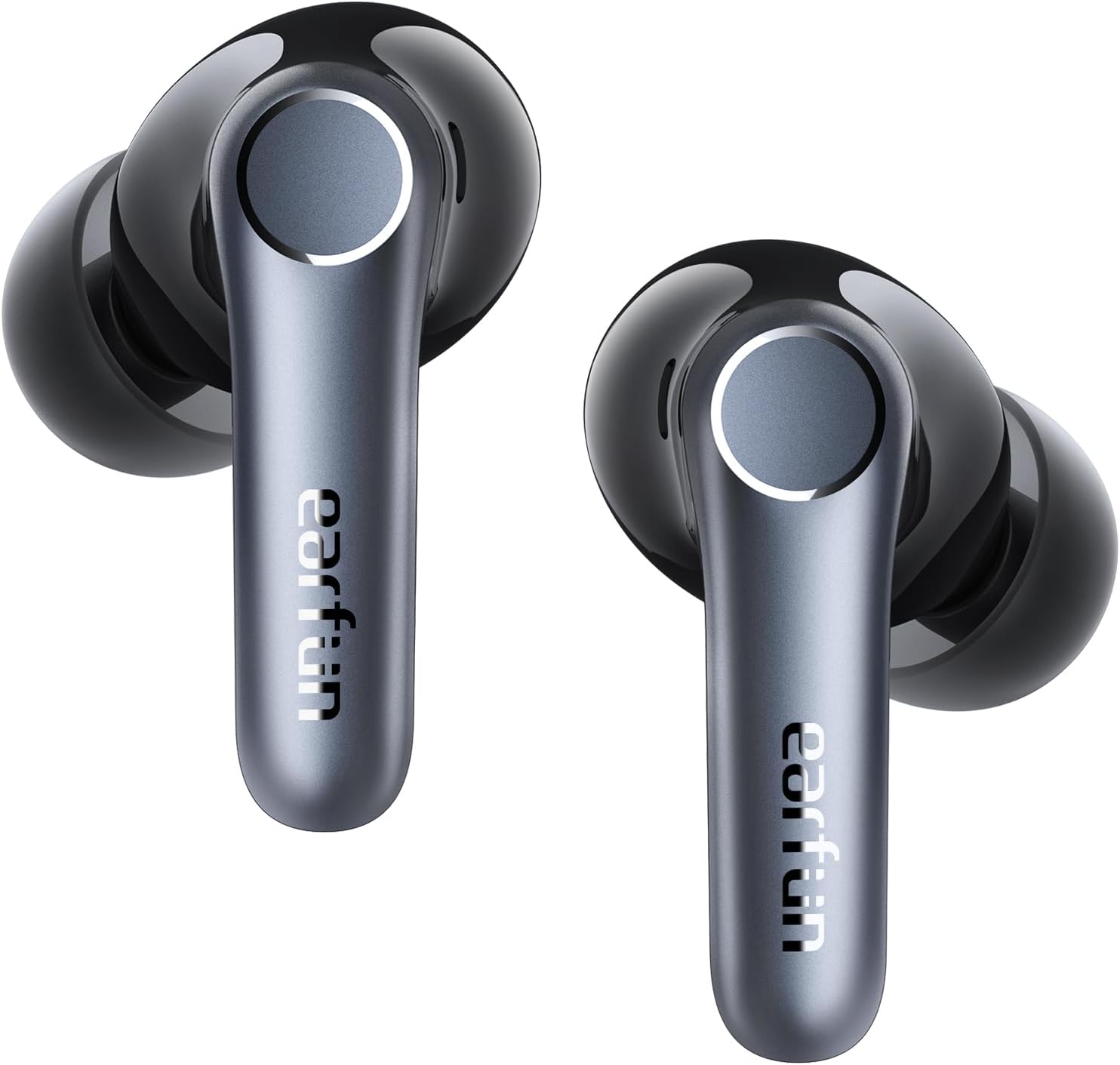
EarFun Air Pro 4
Best for: Best Sound QualityPros
- Qualcomm Snapdragon Sound with aptX Lossless for studio-grade wireless audio
- LDAC Hi-Res codec support as a secondary option
- 52 hours total battery with ANC on
- 6 microphones with AI noise reduction for calls
- Bluetooth 5.4 with multipoint and Google Fast Pair
- In-ear detection pauses audio when you remove a bud
Cons
- ANC is effective but not as aggressive as Soundcore Space A40
- EarFun app is functional but less polished than Soundcore or Sony
- Bass can feel slightly recessed compared to consumer-tuned competitors
- Touch controls are sensitive and may trigger false taps
Price as of Mar 4, 2026 — see current price on Amazon.
The EarFun Air Pro 4 is the pick for anyone who cares about sound fidelity above all else. It runs Qualcomm's QCC3091 chip with aptX Lossless support, which delivers CD-quality 16-bit/44.1kHz audio wirelessly. You also get LDAC as a fallback for non-Qualcomm devices. The combination means you get near-lossless audio regardless of your phone brand.
Scarbir and RTINGS both highlight the Air Pro 4's neutral-leaning tuning as a strength. Where most budget earbuds boost bass to mask detail, these keep the low end controlled and let midrange vocals and instrument separation breathe. The 10mm driver does get loud without distortion, but if you prefer thumping bass on every track, the OnePlus Buds 3 or Soundcore Space A40 will satisfy that craving more.
Call quality is genuinely good here. Six microphones with AI-based noise reduction handle wind and background chatter better than most earbuds at double the price. If you take frequent calls from noisy environments, this is a meaningful advantage.
Battery life at 52 hours total edges out every other pick on this list. The case supports USB-C fast charging, and a 10-minute charge gives you about 2 hours of playback.
Best for iPhone and Android: Sony WF-C700N
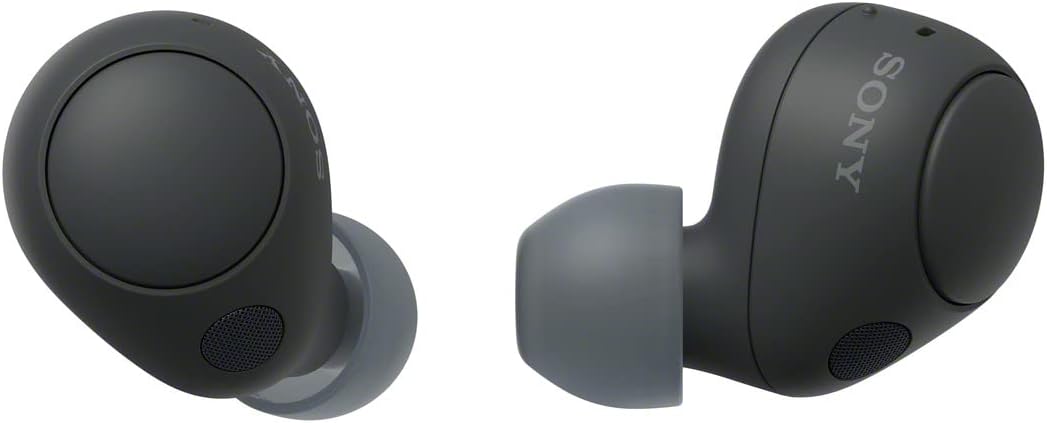
Sony WF-C700N
Best for: Best Cross-PlatformPros
- Sony's noise canceling tuning punches well above its price
- Sony Headphones Connect app has one of the best EQ and sound customization suites
- Ambient Sound mode is excellent for hearing conversations
- Compact, lightweight design fits small ears comfortably
- DSEE restores compressed audio quality
- Multipoint Bluetooth connects two devices simultaneously
Cons
- 20 hours total battery is the lowest on this list
- No LDAC or aptX -- limited to AAC and SBC codecs
- IPX4 rating is sweat-resistant only
- No wireless charging on the case
Price as of Mar 4, 2026 — see current price on Amazon.
Sony's WF-C700N keeps showing up on best-of lists from PCMag, Wirecutter, and Tom's Guide for one reason: Sony knows how to tune noise canceling. The ANC on these $78 earbuds uses the same algorithmic approach as Sony's $300 WF-1000XM5, scaled down. It will not match the flagship, but the gap is smaller than the price difference suggests.
The real selling point is the Sony Headphones Connect app. It is one of the most capable companion apps in the earbuds category, with a full parametric EQ, adaptive sound control that reads your activity level, and DSEE (Digital Sound Enhancement Engine) that upscales compressed Spotify and YouTube audio. These software features make the WF-C700N feel more premium than raw specs suggest.
Ambient Sound mode deserves specific praise. Where most budget earbuds either pipe in too much wind noise or muffle voices, Sony's implementation is tunable. You can dial in exactly how much outside sound you want, which makes these practical for walking in urban areas or having quick conversations without pulling earbuds out.
The trade-off is battery: 20 hours total (7.5 per charge plus case) is the shortest on this list by a wide margin. If you listen for 3 to 4 hours daily, you will charge the case every 2 to 3 days rather than weekly. For commuters, that is fine. For travelers, the Soundcore Space A40's 50 hours wins.
Also notable: no LDAC or aptX. You are limited to AAC (good for iPhone) and SBC. If Hi-Res wireless audio matters to you, look at the EarFun Air Pro 4 or Soundcore Space A40 instead.
Best for Samsung users: Samsung Galaxy Buds FE
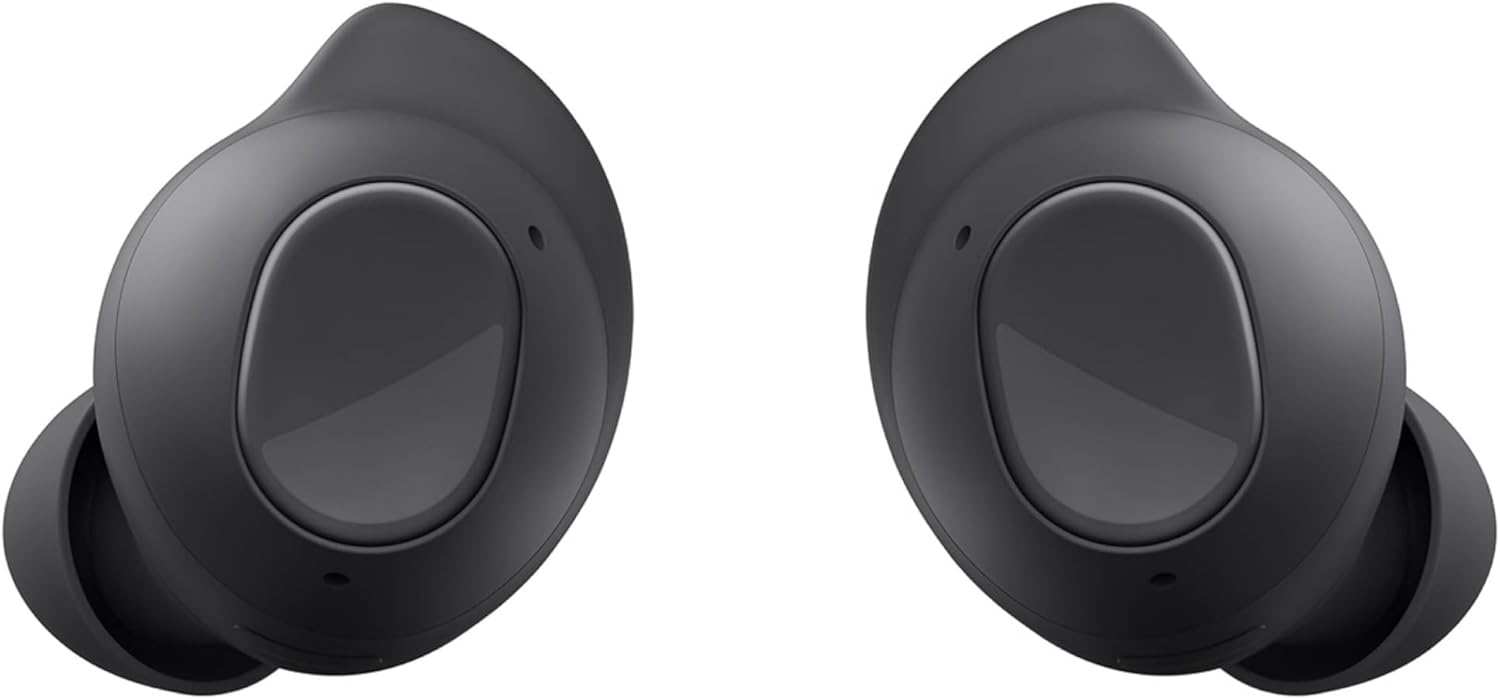
Samsung Galaxy Buds FE
Best for: Best for SamsungPros
- Deep Galaxy ecosystem integration with Auto Switch and SmartThings Find
- One UI ANC tuning is solid for the price
- Comfortable wing-tip design stays secure during workouts
- Samsung Scalable Codec delivers better quality on Galaxy phones
- Built-in voice assistant access (Bixby or Google Assistant)
- 360 Audio with head tracking on supported Galaxy devices
Cons
- Samsung Scalable Codec only works with Galaxy phones -- other devices get AAC/SBC
- IPX2 is barely splash-resistant and not gym-safe in heavy sweat
- 30 hours total battery is average for the price
- ANC is less aggressive than Sony or Soundcore competitors
Price as of Mar 4, 2026 — see current price on Amazon.
If you own a Samsung Galaxy phone, the Buds FE unlock features that no other earbud brand can match. Auto Switch moves audio cleanly between your Galaxy phone, tablet, and laptop. SmartThings Find locates lost earbuds on a map. 360 Audio adds spatial sound with head tracking for supported content. Samsung's Scalable Codec dynamically adjusts bitrate to maintain stable, high-quality audio even in congested Bluetooth environments.
The catch: none of those features work with iPhones or non-Samsung Android phones. On a Pixel or iPhone, you get standard AAC, no Auto Switch, no 360 Audio, and no Scalable Codec. The Galaxy Buds FE become good-but-not-special $70 earbuds on other platforms.
Sound quality on a Galaxy device is genuinely enjoyable. Samsung tuned these with AKG, and the default profile is balanced with enough bass warmth for pop and hip-hop without drowning out vocals. The ANC is effective for office and commute noise but sits below the Sony WF-C700N and Soundcore Space A40 in raw cancellation depth.
Comfort is a strong point. The wing-tip design creates a secure fit that holds during runs and gym sessions without the pressure fatigue that silicone tips can cause. That said, the IPX2 rating is disappointing -- it handles light moisture but is not rated for direct sweat exposure. If gym use is primary, the OnePlus Buds 3's IP55 is safer.
Best bass and battery: OnePlus Buds 3
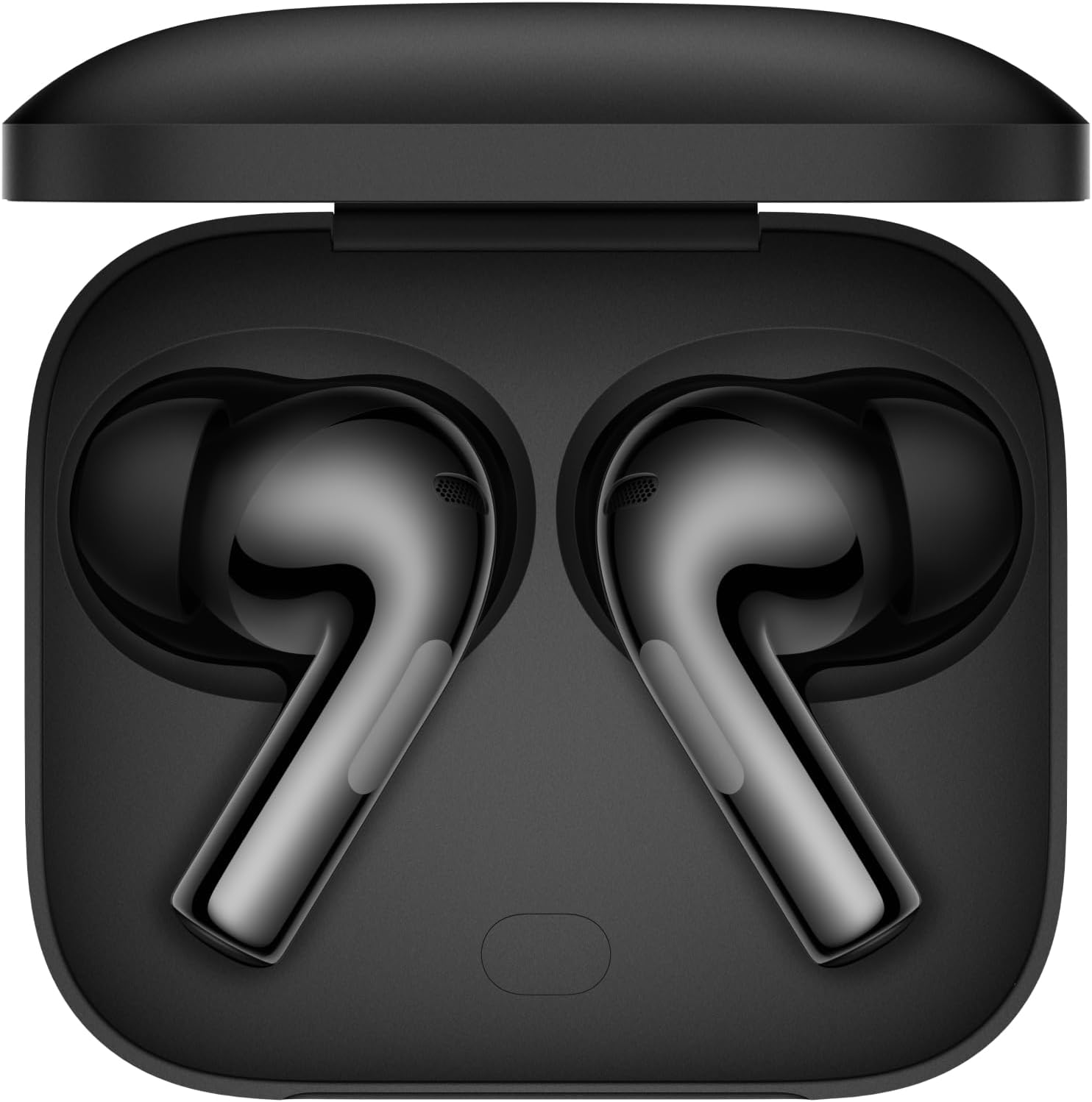
OnePlus Buds 3
Best for: Best BassPros
- Deep, punchy bass from dual 11mm + 6mm drivers
- Adaptive ANC up to 49dB cancellation depth
- IP55 dust and water resistance handles gym and outdoor use
- 44 hours total battery with ANC on
- LHDC 5.0 codec for Hi-Res wireless audio on OnePlus/OPPO
- Google Fast Pair for instant Android pairing
Cons
- LHDC codec only works with OnePlus/OPPO phones -- others get AAC/SBC
- Bass-forward tuning may overwhelm detail in acoustic or classical genres
- No multipoint connectivity
- App features are limited on non-OnePlus devices
Price as of Mar 4, 2026 — see current price on Amazon.
The OnePlus Buds 3 pack a dual-driver setup -- an 11mm dynamic bass driver paired with a 6mm tweeter -- into a sub-$80 package. The result is bass that you feel physically, not just hear. For hip-hop, EDM, and bass-heavy genres, these hit harder than anything else under $100. The low end extends deep without the muddy bleed that cheap single-driver earbuds produce.
Adaptive ANC claims 49dB of noise reduction, which is among the highest specs in this price bracket. In practice, the cancellation is strong against constant low-frequency noise (planes, trains, AC units) and adequate against mid-frequency chatter. It falls off with high-pitched sounds, which is normal for the technology.
IP55 is a practical advantage for active users. The "5" rating for both dust and water means these survive outdoor runs in dusty conditions, gym sessions with heavy sweat, and getting caught in rain. Compared to Samsung's IPX2 or Sony's IPX4, the OnePlus Buds 3 are noticeably more rugged.
Battery at 44 hours total with ANC running is excellent. A 10-minute quick charge delivers 2 to 3 hours of playback, and the case refills via USB-C.
The main limitation is ecosystem lock-in. The LHDC 5.0 Hi-Res codec and most advanced app features only work with OnePlus and OPPO phones. On Samsung or Pixel devices, you are limited to AAC, and the app loses some customization options. If you are already in the OnePlus ecosystem, these are the obvious choice. If not, the Soundcore Space A40 is more universally capable.
Best value: CMF Buds Pro 2
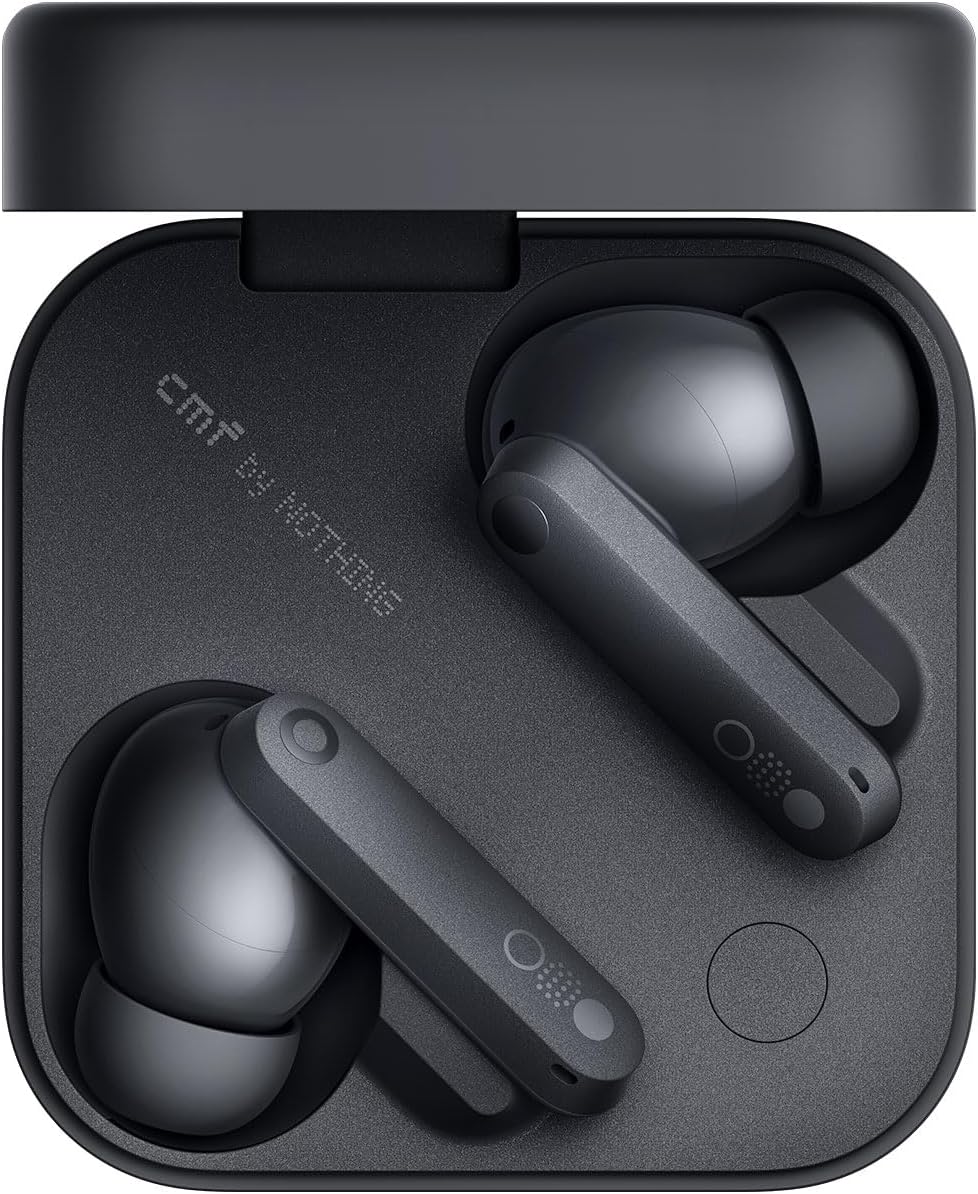
CMF Buds Pro 2
Best for: Best ValuePros
- 50dB hybrid ANC at just $60 is unmatched value
- Smart Dial on the case lets you control volume and ANC without touching your phone
- LDAC Hi-Res codec for high-quality wireless audio
- 43 hours total battery with ANC on
- IP55 dust and water resistance
- 6 HD microphones with clear voice for calls
Cons
- Nothing app required for full customization -- limited without it
- Bass can overpower midrange at default EQ settings
- Smart Dial adds bulk to the case compared to competitors
- Brand recognition is lower, which affects resale and accessory availability
Price as of Mar 4, 2026 — see current price on Amazon.
CMF by Nothing consistently punches above its price, and the Buds Pro 2 might be the most aggressive example in the earbuds market right now. At $60, you get 50dB hybrid ANC, LDAC codec support, IP55 protection, and 43 hours of battery. Those specs match or beat earbuds costing $30 to $40 more.
The Smart Dial on the charging case is the feature nobody else offers at any price. It is a physical rotating dial that controls volume, ANC level, and music playback without touching your phone or the earbuds themselves. In practice, it is faster and more precise than double-tapping a tiny earbud surface, especially with wet or gloved hands.
Sound quality through the 11mm bass driver is warm and full. The default tuning favors low-end punch, which suits pop, R&B, and hip-hop well. For genres that need more clarity in the upper mids (classical, jazz, acoustic), dropping the bass EQ two notches in the Nothing app brings the profile into better balance.
ANC performance at 50dB claimed depth is genuinely impressive for the price. In real use, these cancel constant noise like AC units and engine hum at a level comparable to earbuds at $80 to $100. They struggle with higher-frequency inconsistent noise (conversations, typing) more than the Sony WF-C700N, but the gap is smaller than the $18 price difference.
If you want the most features per dollar spent and do not mind a brand that is newer to the market, the CMF Buds Pro 2 is the value champion of this list.
What to look for in wireless earbuds under $100
Active noise canceling: Every pick on this list includes ANC, but quality varies. Adaptive ANC (Soundcore, OnePlus) adjusts automatically. Manual ANC (Sony, Samsung) lets you choose modes. If you commute on public transit or work in open offices, ANC makes a measurable difference in listening experience. At this price, expect good performance against steady noise and weaker performance against variable sounds.
Codec support matters for sound quality: LDAC and aptX deliver higher-bitrate wireless audio than standard AAC or SBC. If you stream from Spotify Premium, Apple Music, or Tidal and care about audio fidelity, check that your phone supports the earbud's best codec. iPhone users are limited to AAC across all brands. Android users have more options with LDAC (Soundcore, EarFun, CMF) or aptX (EarFun).
Battery life is a daily-use concern: The range here spans 20 hours (Sony) to 52 hours (EarFun) total. If you listen 3 to 4 hours daily, a 50-hour case lasts over a week between charges. A 20-hour case needs charging every 2 to 3 days. Quick charging (10 minutes for 1 to 2 hours of playback) is available on most models and helps when you forget to charge.
IP rating determines durability: IPX2 (Samsung) handles light moisture. IPX4 (Sony, Soundcore) handles sweat and rain. IP55 (OnePlus, CMF) handles dust and water jets. If you exercise with earbuds or use them outdoors frequently, IP55 is the safer minimum.
Ecosystem integration is real: Samsung Buds FE on a Galaxy phone, or OnePlus Buds 3 on a OnePlus phone, unlock features that third-party earbuds cannot replicate. If you are already committed to one phone brand, the matching earbuds often deliver the best total experience even if spec-for-spec competitors look better on paper.
Looking for options at a lower price point? Check our picks for the best wireless earbuds under $50. If you want premium flagship models without a budget limit, see our best wireless earbuds 2026 roundup. And if you prefer over-ear headphones with stronger noise canceling, we cover the best noise-cancelling headphones under $200 as well.
Frequently asked questions
- Are wireless earbuds under $100 worth it over $30 models?
- Yes. The jump from $30 to $70-$100 earbuds is the biggest quality leap in the category. You gain real active noise canceling, significantly better sound drivers, longer battery life, better microphones for calls, and higher water resistance. The jump from $100 to $200 earbuds is much smaller by comparison.
- Do I need LDAC or aptX codecs?
- If you stream from services like Spotify Premium, Apple Music Lossless, or Tidal at high quality, LDAC or aptX deliver audibly better wireless audio than standard AAC or SBC. If you mostly listen to podcasts, YouTube, or standard-quality streaming, the difference is minimal and AAC is perfectly fine.
- Can I use Samsung Galaxy Buds FE with an iPhone?
- Yes, they connect via standard Bluetooth and work for audio playback and calls. However, you lose Samsung-specific features including Auto Switch, 360 Audio with head tracking, SmartThings Find, and the Samsung Scalable Codec. On iPhone, they function as basic Bluetooth earbuds with AAC codec.
- Which earbuds under $100 are best for working out?
- The OnePlus Buds 3 and CMF Buds Pro 2 with IP55 ratings are the most gym-safe options. They resist both dust and water jets. The Sony WF-C700N (IPX4) handles sweat adequately. Avoid the Samsung Galaxy Buds FE (IPX2) for heavy exercise as they only handle light moisture.
- How long do wireless earbuds under $100 typically last before replacement?
- Expect 2 to 3 years of daily use before battery degradation becomes noticeable. Lithium-ion batteries in earbuds lose about 20% capacity after 500 charge cycles. Models with longer total battery (Soundcore at 50 hours, EarFun at 52 hours) age more gracefully because each charge cycle covers more listening time.
How We Pick
We pick products by combining spec-level research, price checks, trusted third-party benchmarks, and owner sentiment from high-signal sources.
- Performance and real-world value in the category this guide targets
- Price-to-performance and deal consistency over recent pricing windows
- Build quality, reliability patterns, and known long-term issues
- Recommendation refresh cadence to keep these picks current
Author
TheTechSearch Editorial Team
Independent product reviewers & PC builders
We compare real-world specs, reviews and owner reports, price trends, and user feedback to recommend gear that actually makes sense to buy.