Best Noise Canceling Earbuds 2026
The best noise canceling earbuds of 2026, from Sony's flagship XM6 to Bose's new Ultra 2nd Gen and Apple AirPods Pro 3. Expert picks, pros and cons, and side...
As an Amazon Associate we earn from qualifying purchases made through our links — this doesn't affect our picks.
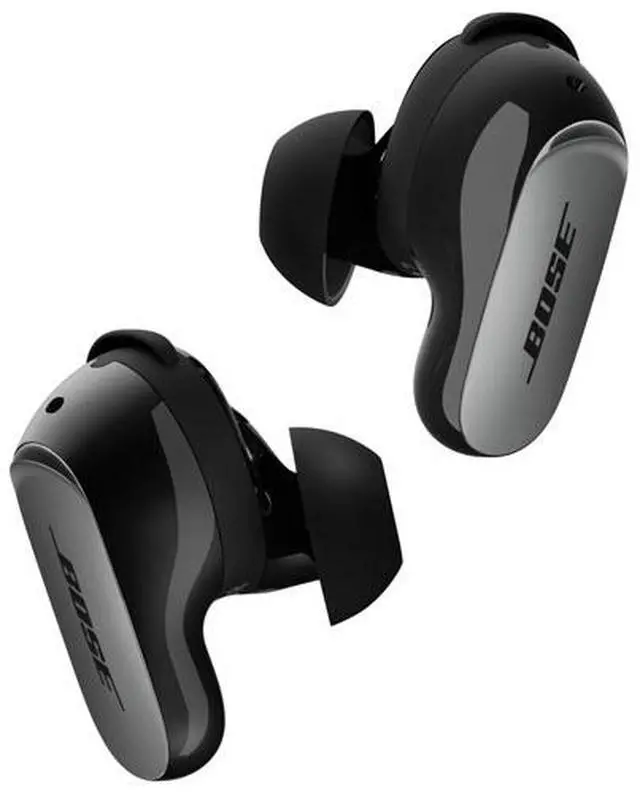
Bose QuietComfort Ultra Earbuds (2nd Gen)
Our top recommendation for this category
Price as of Jul 24, 2026 — see current price on Amazon.
Three years ago, paying $250 for earbuds that genuinely blocked out office noise felt like a splurge. Now that same $250 gets you Sony's XM6 processor, Bose's CustomTune tech, or Apple's hearing aid certification. The ANC earbud market had a real shake-up in 2025-2026. Sony launched the WF-1000XM6 with a completely redesigned chassis and the QN3e chip, which is 3x faster at responding to ambient noise than what was in the XM5. Bose rolled out the QuietComfort Ultra 2nd Gen with wireless charging and Cinema Mode. Apple's AirPods Pro 3 added heart rate sensing and FDA-cleared hearing aid functionality. Even the $89 budget pick on this list posts numbers that would have impressed flagship earbuds from 2022.
The five pairs on this list cover commutes, flights, and video calls in open offices. Here's what actually works.
Quick Picks
| Earbuds | Price | ANC | Battery | Best For | |
|---|---|---|---|---|---|
| Bose QuietComfort Ultra 2nd Gen | $249 | Excellent | 6hr + 18hr case | Overall best | Check Price |
| Sony WF-1000XM6 | $279 | Best-in-class | 8hr + 16hr case | Audiophiles | Check Price |
| Apple AirPods Pro 3 | $249 | Excellent | 6hr + 24hr case | Apple users | Check Price |
| Samsung Galaxy Buds 4 Pro (2026) | $249 | Very Good | 6hr + 12hr case | Galaxy users | Check Price |
| Sony WF-C710N | $89 | Good | 8.5hr + 21.5hr case | Budget pick | Check Price |
Bose QuietComfort Ultra Earbuds (2nd Gen)
Bose QuietComfort Ultra Earbuds (2nd Gen)
Pros
- CustomTune calibrates ANC to your actual ear shape
- Cinema Mode makes earbuds sound more like room speakers for video
- Wireless charging finally added in 2nd gen
- AI call quality filtering isolates your voice from background noise
Cons
- Only 6 hours on earbuds before reaching for the case
- Immersive Audio mode cuts battery to 4 hours
Price as of Jul 24, 2026 — see current price on Amazon.
For most people, buy these. That's the short version.
What changed from gen one is meaningful, not just spec sheet marketing. Wireless charging is in the case now. That sounds small until you've owned earbuds with a case you can't just toss on a Qi pad, and you're suddenly hunting for a USB-C cable at 11pm. The AI call quality update uses machine learning to isolate your voice from the background, which is the feature to care about if you take calls on windy streets or in busy cafes.
Cinema Mode is the other new feature, and it's genuinely useful rather than gimmicky. It widens the stereo image to feel more like listening through speakers in a room instead of two separate transducers stuck in your ears. On a long flight with downloaded shows, that wider presentation makes the audio less fatiguing.
CustomTune remains the standout. On first wear, the earbuds measure your ear canal shape and adjust both the ANC profile and sound signature to match your specific geometry. This is why the ANC from these earbuds feels personal in a way that other pairs don't. A loose seal kills ANC performance across every brand, and CustomTune compensates for the variance that comes from ears not being standardized.
Honest downside: six hours with ANC running is real and slightly disappointing at this price in 2026. The case adds three full recharges so you're not stranded, but you will touch that case more than you would with Sony's options. If you're doing 8-hour travel days without a bag, that's worth knowing.
Sony WF-1000XM6
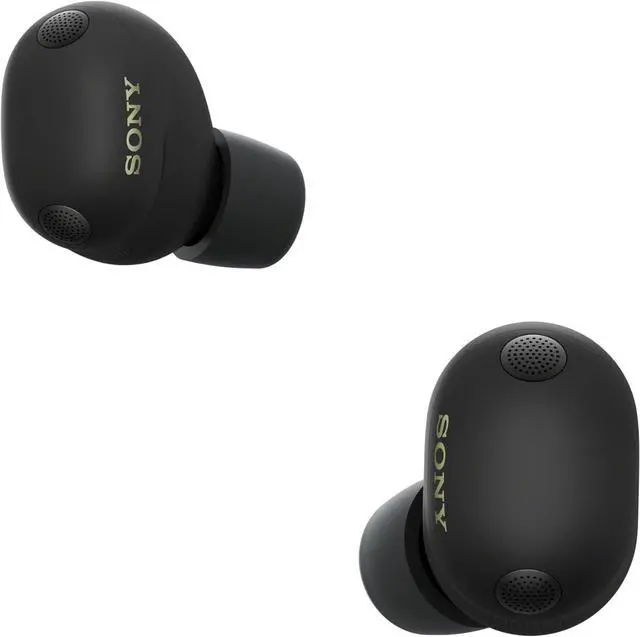
Sony WF-1000XM6
Pros
- HD NC Processor QN3e is the strongest raw ANC available in earbuds right now
- 8 hours on earbuds beats every other flagship on this list
- Dual beamforming mics plus bone conduction sensor for calls
- 10-band EQ and Speak-to-Chat in the Sony app
Cons
- Redesigned pill chassis fits differently than XM5, worth trying in person if you can
- $30 more expensive than Bose and Apple at the same tier
Price as of Jul 24, 2026 — see current price on Amazon.
If you want the best noise cancellation available in a consumer earbud right now, this is it.
The QN3e processor responds to changes in ambient noise 3x faster than the chip in the XM5. SoundGuys measured the WF-1000XM6 blocking about 28dB of noise across midrange frequencies where human voices sit. That's a real number, and it's better than what the Bose manages in the same tests.
Sony redesigned the chassis completely. The XM5 had a stem-style body; the XM6 switched to a pill shape. They also changed the eartip material and reduced the housing weight. For most people the fit is improved. A smaller number find the rounder form sits differently in their outer ear and takes getting used to. If you can try them at a Best Buy before buying, do it.
Eight hours of ANC-on battery is the best number in this price range. Add 16 hours in the case and you have 24 hours total. That's a transatlantic flight on the earbuds alone without touching the case. I don't know why Sony gets less credit for this when everyone else is at 6 hours.
Call quality is the standout on the XM6. The combination of dual beamforming mics and a bone conduction sensor means your voice gets picked up from three independent angles. That setup is built to keep your voice clear even in loud places like a subway platform. That level of performance didn't exist in this form factor two years ago.
The $279 price is the one real argument against them. You're paying $30 more than Bose and Apple for better raw ANC and two extra hours of earbud battery. If those two things matter to your use case, it's worth it.
Apple AirPods Pro 3
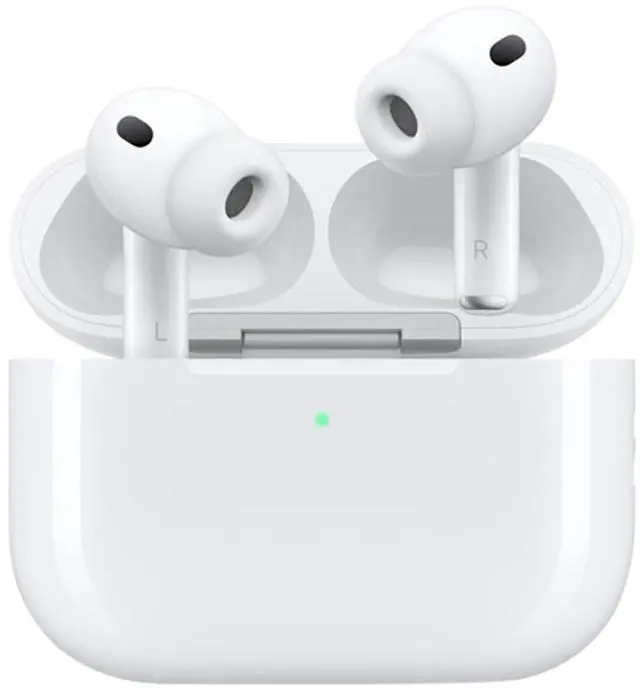
Apple AirPods Pro 3
Pros
- Heart rate monitoring built into the earbuds
- FDA-cleared hearing aid mode for mild to moderate hearing loss
- Seamless Apple ecosystem switching between iPhone, iPad, and Mac
- 30 hours total battery between earbuds and case
Cons
- Locked into Apple features without an iPhone
- H2 chip ANC trails Sony XM6 in raw decibel reduction
Price as of Jul 24, 2026 — see current price on Amazon.
Apple added things to the AirPods Pro 3 that no other earbuds have, full stop. Heart rate monitoring works through the earbuds during workouts. The FDA-cleared hearing aid mode amplifies frequencies that people with mild to moderate hearing loss typically miss. Whether you need those features depends entirely on who you are, but they represent a genuine expansion of what earbuds do as a product.
If you're in the Apple ecosystem, the integration here is still the smoothest in the industry by a meaningful margin. Automatic switching between iPhone, iPad, and Mac just works, most of the time, without you doing anything. Setup is one tap, not a firmware update sequence and an app you have to remember to download. Live Translation runs directly through the earbuds for real-time conversation translation.
But the ANC isn't the best here. The Sony XM6 edges it out in raw noise reduction, particularly in the voice frequency range where noisy offices and transit are worst. That gap is smaller than Sony's marketing suggests, though, and most people won't notice it day to day.
The case battery is genuinely impressive at 30 hours total. Six hours in the earbuds plus 24 hours in the case puts it ahead of every other pair on this list for total runtime. And MagSafe wireless charging plus USB-C means you're not hunting for a specific cable.
Android users: the AirPods Pro 3 works with any Bluetooth device, but you lose Spatial Audio head tracking, automatic ear detection, and the smart switching that makes these worth $249. Buy the Bose or Samsung instead.
Samsung Galaxy Buds 4 Pro (2026)
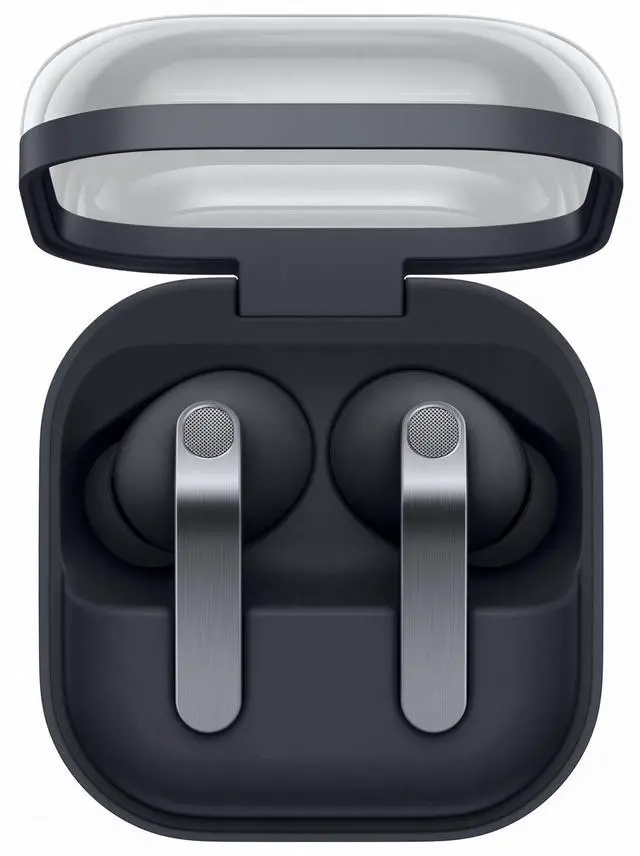
Samsung Galaxy Buds 4 Pro (2026)
Pros
- Hi-Res Audio at 24-bit/96kHz with a genuine 2-way speaker system
- ANC 2.0 is measurably better than Buds 3 Pro in independent tests
- Best Galaxy ecosystem integration of any earbuds
- IP57 rating handles dust and water better than Sony or Bose
Cons
- Galaxy AI features are mostly locked to Samsung Android phones
- 12-hour case battery trails competitors at the same $249 price
Price as of Jul 24, 2026 — see current price on Amazon.
Galaxy users, these are your AirPods Pro 3 equivalent. And I mean that as a real comparison, not a consolation prize.
The Auto Switching between Samsung devices works reliably, which hasn't always been the case with Samsung earbuds. Galaxy AI integration including Live Translate runs through the earbuds with a Galaxy S26. ANC 2.0 is a meaningful upgrade from the Buds 3 Pro, not just a number increment. Independent testing shows it adapts roughly 40% faster to changing noise environments than the previous generation.
Hi-Res Audio at 24-bit/96kHz is worth calling out because it's not common at this price. If you use Tidal or Amazon Music Unlimited's HD tier, you'll actually saturate those specs. With standard Spotify streams you won't, but the 2-way speaker system with dual amplifiers produces noticeably better bass texture than single-driver earbud designs regardless of source quality.
IP57 is the strongest water and dust rating on this list. IPX4 (what Sony and Bose have) means splashproof. IP57 means submersion up to 1 meter for 30 minutes. For gym use and outdoor runs in rain, IPX4 is fine. But if you've ever dropped earbuds in a sink, the IP57 gap matters.
The 12-hour case battery is the honest weak spot. Bose gives you 18 hours in the case at the same price, Apple gives you 24. Samsung's earbuds last 6 hours themselves, which means you get one recharge from the case. Carry a USB-C cable if you're going longer than a day.
Outside the Samsung ecosystem, these are fine earbuds with great audio quality but a thinner feature set. The Galaxy AI stuff doesn't translate to other Android phones, and you lose the Auto Switching that makes the daily experience smooth.
Sony WF-C710N
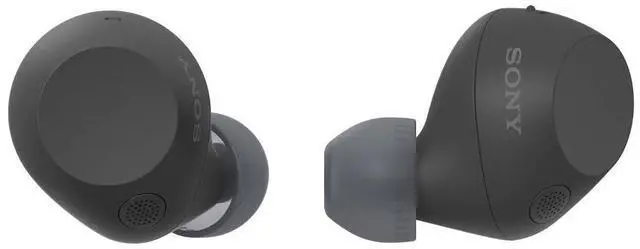
Sony WF-C710N
Pros
- 30 total hours of battery at this price is genuinely remarkable
- Adaptive ANC adjusts automatically based on environment
- 5-minute quick charge provides 1 hour of playback
- Lightweight enough to forget you're wearing them during long sessions
Cons
- ANC loses ground to flagships in very loud environments like flights
- No wireless charging on the case
Price as of Jul 24, 2026 — see current price on Amazon.
The WF-C710N is the reason I stopped being embarrassed to recommend sub-$100 ANC earbuds. SoundGuys measured these reducing external noise by roughly 85% across their testing frequencies. That's a real number. Not a Sony marketing claim, an independent measurement.
Does 85% match what the XM6 does? No. Put them both on a plane and the XM6 is noticeably quieter. But $89 versus $279 is a $190 gap, and the WF-C710N closes more of the ANC performance distance than the price difference suggests it should.
The 30-hour total battery is where this thing genuinely embarrasses its price tier. Eight and a half hours in the earbuds, 21.5 in the case. Five minutes of charging gives you an hour of playback. That makes them an easy gym and errand pair: toss them in a bag, forget about them for a week, and there is still runtime left.
Adaptive ANC automatically switches between Noise Canceling, Ambient Sound, and off based on what the earbuds detect around you. When it works, it feels more natural than manually cycling through modes. It doesn't always nail the transition, but for an $89 earbud with this feature, the bar is already cleared.
What you're giving up: no Spatial Audio, simpler EQ controls, no bone conduction sensor for calls. In quiet-to-moderate environments the WF-C710N holds its own against much pricier earbuds. In genuinely loud environments like busy subway cars or jet engines, the gap to flagships becomes audible.
What to Look for in Noise Canceling Earbuds
ANC Performance and the Battery Tradeoff
Better ANC processing uses more battery. Every earbud on this list navigates that tradeoff differently. Sony prioritizes ANC performance and battery, getting 8 hours with the XM6 and delivering the strongest measured noise reduction. Bose prioritizes the personalization system with CustomTune, landing at 6 hours but with more consistent performance across different ear shapes. Apple prioritizes total case capacity.
Adaptive ANC systems can extend battery by not running the processor at full load when the environment is already quiet. This is part of why the Sony WF-C710N at $89 gets 8.5 hours despite having lighter hardware than the flagships.
Fit Is Half Your ANC Performance
A loose earbud is a bad ANC earbud, regardless of the chip inside. Passive isolation from the physical seal in your ear canal handles a significant portion of the noise blocking before the processor even activates. If the eartip isn't sealing, you're leaking in external sound that no ANC system can fully compensate for.
The single most underrated tip for improving any ANC earbud: try every included eartip size. Most people default to medium, try medium once, and stop. Try small. Try large. The difference in isolation from finding the right seal can be as significant as moving between budget and flagship earbuds.
Multipoint Connection for Multi-Device Households
If you work between a laptop and a phone, check whether the earbuds support multipoint Bluetooth connection, which keeps two simultaneous pairings active and auto-switches when one source starts playing. All five earbuds on this list support it, including the $89 WF-C710N. This used to be a $200-plus feature two years ago.
Transparency Mode for Real-World Use
Every pair here includes a transparency mode that passes outside audio through the earbuds. Apple's AirPods Pro 3 has the most natural-sounding transparency mode in this group, and reviewers consistently rank it at the top of the category. Bose is close. Sony sounds slightly more artificial but still very usable. Transparency mode matters more than people realize until they're stuck wearing ANC earbuds and can't hear someone calling their name across a room.
IP Ratings and Workout Use
IPX4 means the earbuds handle sweat and rain. IP57 means they can handle brief submersion. The Samsung Galaxy Buds 4 Pro's IP57 rating is the strongest here. Sony WF-1000XM6 and Bose QuietComfort Ultra are both IPX4. For workouts and commutes in most weather, IPX4 is enough. For swimming or anyone who works near water, IP57 is worth specifically targeting.
Frequently asked questions
- Are noise canceling earbuds worth it for commuting on public transit?
- Yes, and this is genuinely their best use case. Subway noise sits around 90-100 dB. A good ANC earbud brings your perceived noise level down to roughly 50-60 dB, which means you can listen at comfortable volumes instead of cranking audio to compete with the environment. Both the Bose QC Ultra 2nd Gen and Sony XM6 are exceptionally effective on public transit. Even the Sony WF-C710N at $89 makes a meaningful difference.
- Do noise canceling earbuds block out voices and speech?
- They reduce voices noticeably but don't eliminate them. Low-frequency constant noise like engines and HVAC gets nearly fully blocked. Human speech sits in the mid-frequency range where ANC is harder to fight. The Sony WF-1000XM6 handles voice noise better than the other pairs here, cutting open-office conversation to a manageable background hum. But if you need to completely tune out a loud talker nearby, expect to still hear some of it.
- Can I use ANC without playing music?
- Yes, all five earbuds support this. You can use ANC-only with no audio playing, which is useful as quiet ear protection in noisy environments. The Bose QuietComfort Ultra 2nd Gen has a dedicated quiet mode for this purpose. Useful on planes when you want silence without using your phone.
- How long before the battery starts degrading?
- Lithium ion batteries lose roughly 20% of capacity after around 500 charge cycles under normal conditions. At one full charge per day, that's about 16-18 months before you notice shorter battery life. After 3-4 years, most earbuds have meaningfully reduced runtime. None of the major brands currently offer user-replaceable batteries or affordable battery replacement services, which is a genuine ongoing criticism of the product category.
- Is the Sony WF-1000XM6 better than the Bose QuietComfort Ultra 2nd Gen?
- For raw ANC performance and battery life, the XM6 wins. For overall experience including wireless charging, call quality AI filtering, and CustomTune personalization, the Bose is competitive and $30 cheaper. Pick the XM6 if you're dealing with genuinely loud environments like flights and open offices daily. Pick the Bose if the call quality filtering and wireless charging convenience matter more to your specific situation.
- Can I use AirPods Pro 3 with an Android phone?
- Yes, they pair over standard Bluetooth and the ANC and audio work fine. But you lose Spatial Audio with head tracking, automatic device switching, iCloud sync settings, and most of the health features. If you primarily use Android, the Bose QuietComfort Ultra 2nd Gen or Samsung Galaxy Buds 4 Pro give you a better full-featured experience at the same price point.
Bottom Line
The Bose QuietComfort Ultra Earbuds 2nd Gen is the best noise canceling earbud for most people at $249. The CustomTune personalization system, wireless charging addition, and Cinema Mode make it the most thoughtfully improved flagship in this cycle. If you want the single best ANC performance available and can justify the extra $30, the Sony WF-1000XM6 earns it with better raw numbers and two more hours of battery. iPhone users should seriously look at the AirPods Pro 3 for the ecosystem integration and the genuinely useful health features. Galaxy S series users should just buy the Buds 4 Pro. And if $250 isn't realistic right now, the Sony WF-C710N at $89 delivers legitimate ANC that outperforms what twice the money bought you in 2022.
How We Pick
We pick products by combining spec-level research, price checks, trusted third-party benchmarks, and owner sentiment from high-signal sources.
- Performance and real-world value in the category this guide targets
- Price-to-performance and deal consistency over recent pricing windows
- Build quality, reliability patterns, and known long-term issues
- Recommendation refresh cadence to keep these picks current
Author
TheTechSearch Editorial Team
Independent product reviewers & PC builders
We compare real-world specs, reviews and owner reports, price trends, and user feedback to recommend gear that actually makes sense to buy.