Samsung Galaxy S25 vs iPhone 16: Which $799 Flagship Actually Wins?
Galaxy S25 vs iPhone 16 compared head-to-head: display, camera, battery, AI features, and ecosystem. Which $799 flagship is worth your money in 2026? Expert...
As an Amazon Associate we earn from qualifying purchases made through our links — this doesn't affect our picks.
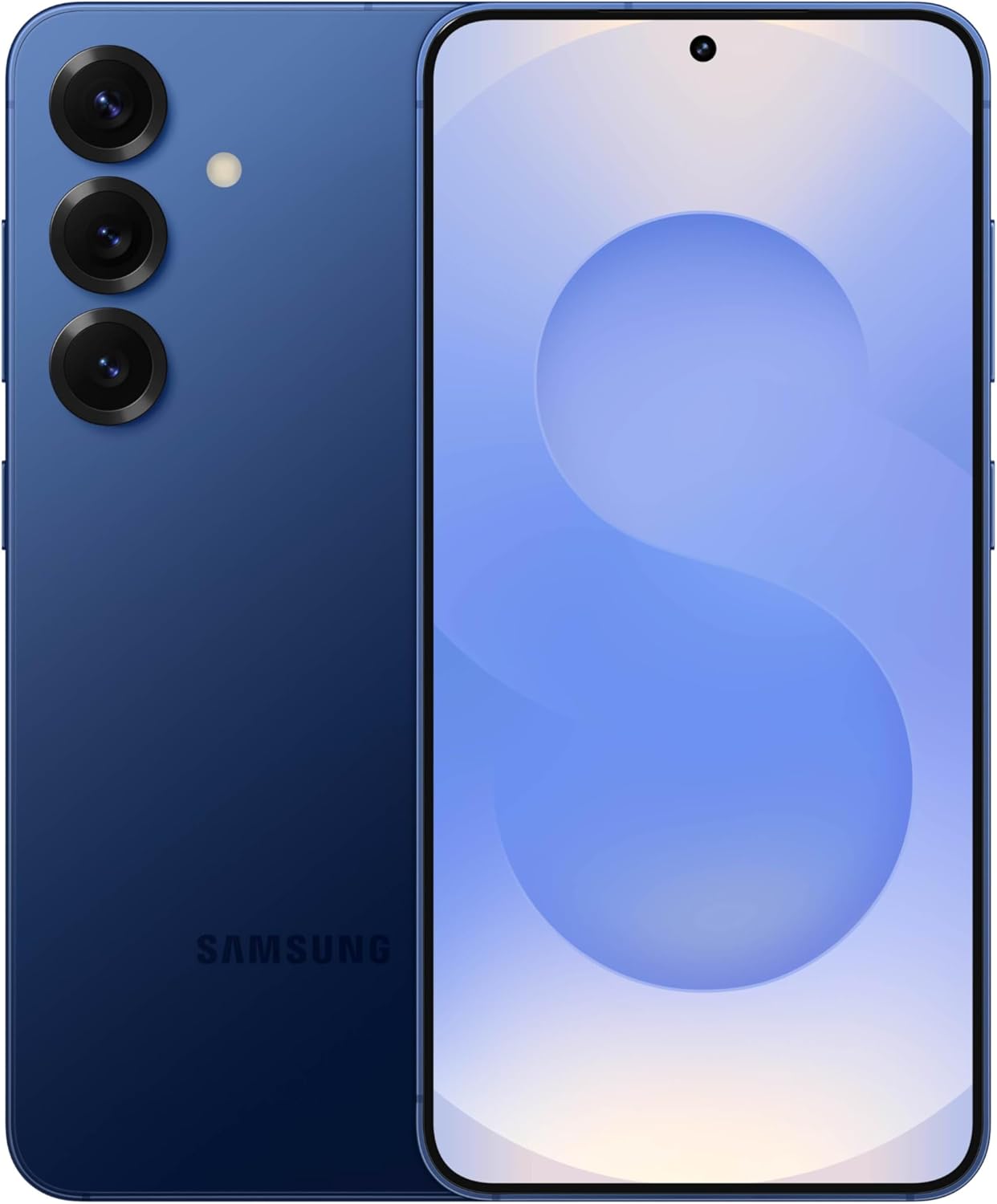
Samsung Galaxy S25 (256GB)
Our top recommendation for this category
Price as of Feb 27, 2026 — see current price on Amazon.
Two phones. Same $799 starting price. Completely different philosophies. For the Samsung Galaxy S25 and iPhone 16, the honest answer to "which one should I buy" is more interesting than most comparison articles will tell you.
The Galaxy S25 wins on paper. Better display, longer battery life, more camera versatility. The iPhone 16 wins in ways that don't show up in spec sheets: video quality, ecosystem depth, and software consistency. Which gap matters more depends entirely on how you use a phone.
Here's the real breakdown.
Specs at a glance
| Spec | Samsung Galaxy S25 | Apple iPhone 16 |
|---|---|---|
| Display | 6.2" Dynamic AMOLED 2X, 120Hz | 6.1" Super Retina XDR OLED, 60Hz |
| Chip | Snapdragon 8 Elite for Galaxy | Apple A18 (3nm) |
| RAM | 12GB | 8GB |
| Base Storage | 128GB | 128GB |
| Rear Cameras | 50MP + 12MP ultrawide + 10MP 3x tele | 48MP + 12MP ultrawide |
| Battery | 4,000mAh | 3,561mAh |
| Wired Charging | 25W | 25W |
| Wireless Charging | 15W (Qi2) | 15W (MagSafe) |
| IP Rating | IP68 | IP68 |
| Starting Price | $799 | $799 |
Display: Galaxy S25 by a clear margin
The Galaxy S25's 6.2-inch Dynamic AMOLED 2X panel runs at an adaptive 1Hz to 120Hz, which matters for scrolling smoothness and battery efficiency. Peak brightness hits 2,600 nits in high-brightness mode. It's genuinely bright in direct sunlight.
The iPhone 16 keeps the same 60Hz Super Retina XDR panel from previous generations. Apple reserves ProMotion 120Hz for the Pro lineup. At 60Hz, the iPhone 16 feels noticeably less fluid compared to the S25 when scrolling through fast-moving content or playing games. It's a real gap, not a nitpick.
Both are OLED panels with accurate colors and deep blacks. The iPhone 16's color calibration is arguably more accurate out of the box. But for raw smoothness and brightness, the Galaxy S25 wins this round without much debate.
Performance: closer than you'd expect
Apple's A18 chip is a 3nm processor built specifically for efficiency and Apple Intelligence. In Geekbench 6 single-core, it scores around 3,300. Multi-core lands around 7,700. The Snapdragon 8 Elite in the Galaxy S25 is Qualcomm's best, scoring roughly 3,100 single-core and 9,000 multi-core.
Raw benchmarks rarely translate to real-world differences you'll notice. Both phones handle every app, game, and multitasking scenario without stutter. The A18 has an edge in CPU-intensive tasks like video encoding and ML inference. The Snapdragon 8 Elite has a stronger GPU, which matters for demanding 3D games.
For most people, this is a push. Neither phone will feel slow or limited in daily use for the next three to four years.
Samsung Galaxy S25 (256GB)
Pros
- 120Hz adaptive display is noticeably smoother than iPhone 16
- 3-camera system with optical 3x telephoto
- Best-in-class battery life in this size
- Galaxy AI features including live translation and Circle to Search
- 12GB RAM handles heavy multitasking comfortably
Cons
- 25W charging is slow compared to some Android competitors
- One UI 7 has a learning curve if you're coming from iPhone
- Some Galaxy AI features require Samsung account
- No MagSafe ecosystem equivalent
Price as of Feb 27, 2026 — see current price on Amazon.
Camera: depends on what you shoot
The camera gap between these two phones breaks down by use case, not by which is objectively better.
The Galaxy S25 has three cameras: a 50MP main sensor, a 12MP ultrawide, and a 10MP 3x optical telephoto. That third lens is the key differentiator. Shooting subjects at distance, zooming into faces, capturing sports or wildlife: the telephoto makes the S25 significantly more versatile. The ultrawide is also sharper and captures more detail than the iPhone 16's equivalent.
The iPhone 16 has two cameras: a 48MP Fusion main sensor and a 12MP ultrawide. No telephoto. For anything beyond 2x zoom, you're using digital crop and quality degrades. What the iPhone 16 does exceptionally well is video. Color science in iPhone video is warmer and more filmic compared to Samsung's cooler, more processed look. Cinematic mode still outperforms Samsung's video stabilization. If you're filming content for Instagram Reels or YouTube, the iPhone's video output is easier to work with straight out of camera.
For photo versatility, S25 wins. For video quality, iPhone 16 wins.
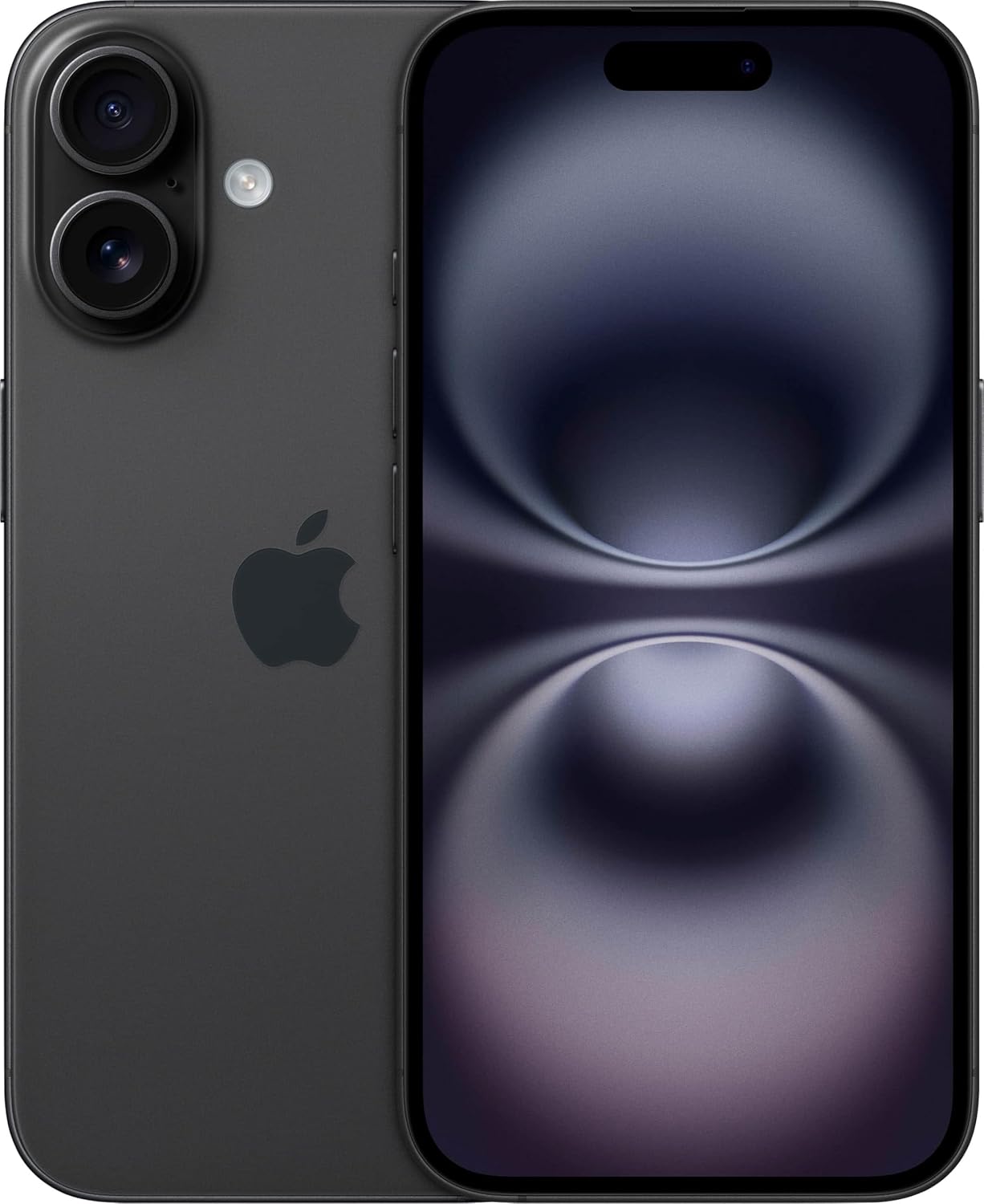
Apple iPhone 16 (128GB)
Pros
- A18 chip delivers class-leading CPU performance
- Best video quality in this price range
- Apple Intelligence integrates across iOS natively
- Camera Control hardware button adds tactile shooting experience
- MagSafe ecosystem for cases, wallets, and mounts
- 7 years of software updates guaranteed
Cons
- 60Hz display trails the Galaxy S25 in smoothness
- No telephoto lens: 2x optical, digital zoom beyond that
- Shorter battery life in TechRadar's rundown test
- Starting at 128GB with no expandable storage option
Price as of Feb 27, 2026 — see current price on Amazon.
Battery life: Galaxy S25 wins decisively
This is the biggest practical advantage the Galaxy S25 has over the iPhone 16. TechRadar's rundown test put the S25 at nearly 16 hours versus under 12.5 hours for the iPhone 16. That's a meaningful gap in real use: one phone reliably makes it through a full day with battery to spare, the other one might not.
The iPhone 16 is better than iPhone 15 in battery life, and it handles power efficiency well in everyday tasks. But if you're a heavy user, the Galaxy S25 provides a meaningful buffer you'll notice on long days.
Both phones support 25W wired charging and 15W wireless charging. Neither charges as fast as some Android competitors in this price range, but both are fully charged in around 90 minutes.
AI features: different approaches to the same problem
Samsung's Galaxy AI has been shipping features longer than Apple Intelligence. Circle to Search lets you select anything on screen and search it instantly. Live Translate handles real-time phone call translation. Note Assist summarizes long documents. These features work on-device and don't require an internet connection for most tasks.
Apple Intelligence is newer but deeply integrated across iOS. Writing tools (proofreading, rewriting, summarizing) work system-wide in any text field. The Photos clean-up tool removes unwanted objects from photos. Priority notifications surface what actually matters. And Siri finally connects to your contacts, calendar, and apps instead of just searching the web.
Both AI systems are genuinely useful, not demos. If you want AI that's been shipping and improving for two years, Samsung is ahead. If you want AI that integrates with Apple's ecosystem (Mac, iPad, Apple Watch), iPhone wins by default.
Software and ecosystem
This is the real deciding factor for most buyers. Android on the Galaxy S25 gives you full flexibility: default browser and apps you actually choose, widgets that do things, sideloading, microSD slot, and DeX mode if you ever need desktop output. Samsung's One UI 7 is polished and feature-rich.
iOS on the iPhone 16 is more locked down but more consistent. The ecosystem integration with MacBook, iPad, AirPods, and Apple Watch is genuinely seamless in ways Android cannot fully replicate. AirDrop, Handoff, Universal Clipboard, iPhone mirroring on Mac: if you own other Apple devices, these aren't features you can easily replicate on Samsung.
If you own a MacBook or iPad, buy the iPhone. If you use Windows or don't care about ecosystem lock-in, the Galaxy S25 offers more flexibility and better specs for the same price.
How they compare
| Category | Winner | Why |
|---|---|---|
| Display | Galaxy S25 | 120Hz vs 60Hz, plus brighter outdoors |
| Performance | Tie | Both chips are class-leading in different areas |
| Camera versatility | Galaxy S25 | Optical telephoto vs digital zoom on iPhone |
| Video quality | iPhone 16 | Better color science, stabilization, cinematic mode |
| Battery life | Galaxy S25 | Nearly 4 hours longer in TechRadar's test |
| AI features | Tie | Samsung has more features, Apple has better integration |
| Ecosystem | Depends | Apple if you have Mac/iPad; Samsung for flexibility |
Verdict
If you're buying based on specs alone, the Galaxy S25 wins this matchup. The 120Hz display, longer battery life, and optical telephoto camera justify the purchase for most Android users. It's genuinely the better all-around phone on paper.
If you already own a MacBook, iPad, or Apple Watch, buy the iPhone 16. The integration value compounds. AirDrop, Handoff, iPhone mirroring, and a unified ecosystem make the iPhone 16 worth the spec compromises for anyone deep in Apple's world.
The honest summary: if you're switching from Android to iPhone or vice versa, the Galaxy S25 gives you more phone for the same money. If you're staying in your current ecosystem, stay. Switching has real friction costs that outweigh spec comparisons.
Looking for a more affordable phone? Check our best budget smartphones guide for options under $500. Pairing either phone with wireless earbuds? Our best wireless earbuds under $50 covers options that work with both platforms. And if wireless charging matters, see our best wireless chargers guide for Qi2 and MagSafe picks.
Frequently asked questions
- Which is better overall, Galaxy S25 or iPhone 16?
- The Galaxy S25 wins on raw specs: 120Hz display, longer battery life, and optical telephoto camera at the same price. The iPhone 16 wins on ecosystem integration if you use a Mac, iPad, or Apple Watch. Neither is the wrong choice. The Galaxy S25 is the better phone on paper. The iPhone 16 is better if you are already invested in Apple devices where AirDrop, Handoff, and seamless iPhone-Mac connectivity add daily value.
- Does the Galaxy S25 have better AI features than iPhone 16?
- Samsung Galaxy AI has been shipping for longer, with Circle to Search, Live Translate, and Note Assist available across the S25 lineup. Apple Intelligence on iPhone 16 is newer but deeper: Writing Tools work across all apps, Clean Up removes photo objects convincingly, and Priority Mail summarizes emails intelligently. Both AI systems are genuinely useful. Samsung has more features deployed. Apple has better system-wide integration.
- Which camera is better for video, Galaxy S25 or iPhone 16?
- iPhone 16 wins for video. Apple's Cinematic Mode, Log video recording, and Action mode stabilization remain best-in-class for smartphones. iPhone video has consistently more accurate color science and better low-light performance in video mode. The Galaxy S25 has more camera versatility with optical zoom, but for actual video production quality, iPhone is the standard recommendation among mobile videographers.
- How long will both phones receive software updates?
- Samsung guarantees 7 years of OS updates for the Galaxy S25, which means OS support through Android 21 (approximately 2032). Apple typically supports iPhones for 5 to 6 years. The iPhone 16 should receive iOS updates through at least 2029 to 2030. Both are strong commitments. Samsung's explicit 7-year guarantee is exceptional for Android and matches or exceeds Apple's typical update lifespan.
- Which phone is better for gaming?
- Both the Snapdragon 8 Elite in the Galaxy S25 and A18 in the iPhone 16 are class-leading chips for mobile gaming. iPhones have a stronger gaming library through Apple Arcade exclusives and games optimized for Metal. Android has broader availability of emulators and sideloading. The iPhone 16's 60Hz display is a disadvantage versus the Galaxy S25's 120Hz for gaming smoothness. For raw gaming performance, both are equal; for display smoothness, Galaxy S25 wins.
How We Pick
We pick products by combining spec-level research, price checks, trusted third-party benchmarks, and owner sentiment from high-signal sources.
- Performance and real-world value in the category this guide targets
- Price-to-performance and deal consistency over recent pricing windows
- Build quality, reliability patterns, and known long-term issues
- Recommendation refresh cadence to keep these picks current
Author
TheTechSearch Editorial Team
Independent product reviewers & PC builders
We compare real-world specs, reviews and owner reports, price trends, and user feedback to recommend gear that actually makes sense to buy.