Best Phones 2026: iPhone 16, Galaxy S25, Pixel 9 Pro, and OnePlus 15 Ranked
The best smartphones of 2026 compared and ranked. iPhone 16, Galaxy S25, Pixel 9 Pro, and OnePlus 15 compared for camera, battery, and update support.
As an Amazon Associate we earn from qualifying purchases made through our links — this doesn't affect our picks.
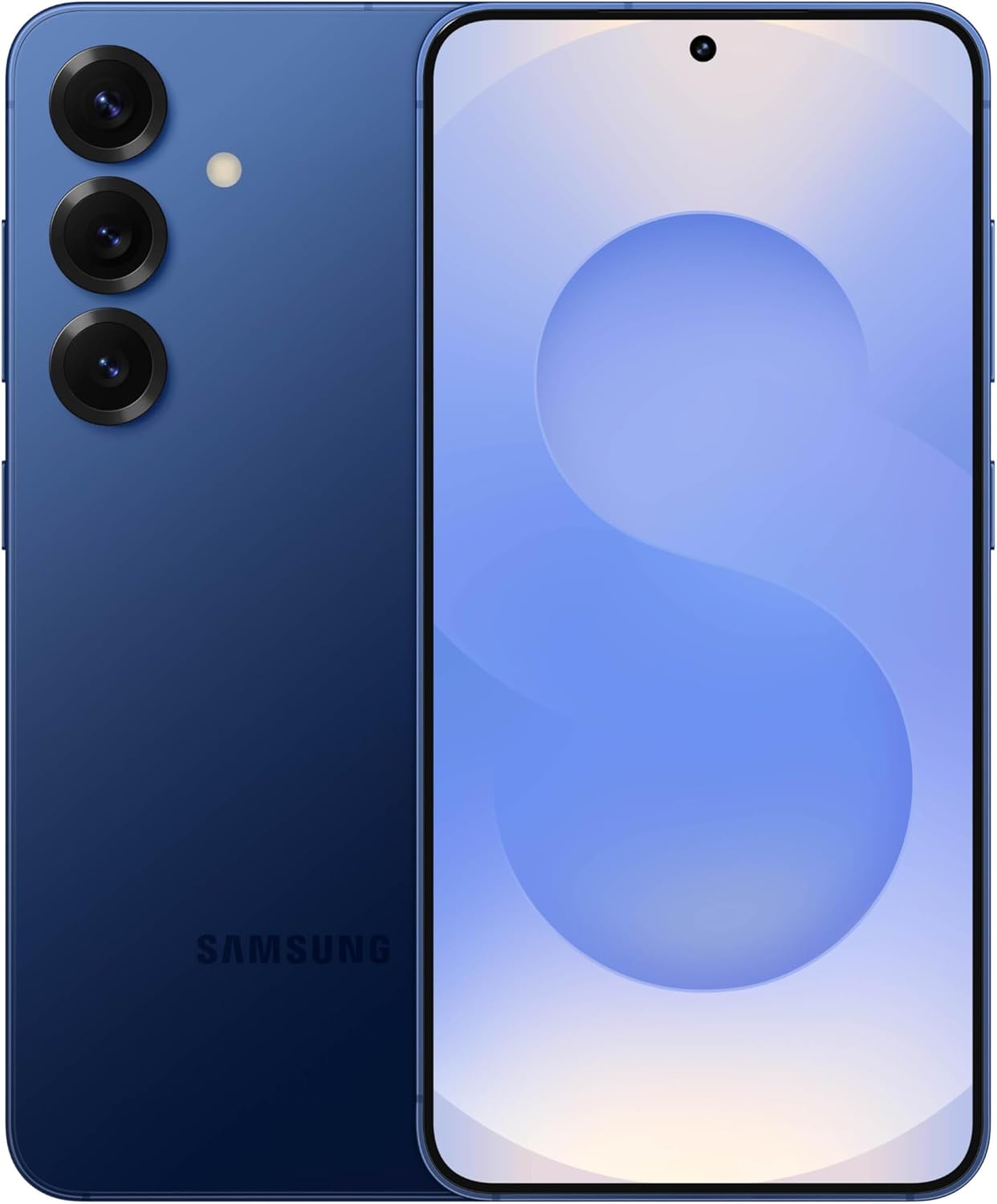
Samsung Galaxy S25 (256GB)
Our top recommendation for this category
Price as of Oct 31, 2026 — see current price on Amazon.
Flagship phones are expensive, and the differences between them are smaller than they've ever been. That's not a complaint. It means that whatever you pick, you're getting something genuinely excellent. The question is which trade-offs make sense for how you actually use a phone.
We compared all four on specs, published camera and battery testing, and update policy. Here's the honest version of which one belongs in your pocket.
Quick picks
- Best overall: Samsung Galaxy S25
- Best for iPhone users: Apple iPhone 16
- Best camera system: Google Pixel 9 Pro
- Best battery life: OnePlus 15
| Phone | Display | Chip | Cameras | Battery | Price | |
|---|---|---|---|---|---|---|
| Samsung Galaxy S25 | 6.2" AMOLED 120Hz | Snapdragon 8 Elite | 50MP + 12MP UW + 10MP 3x tele | 4,000mAh | Check price | Check Price |
| Apple iPhone 16 | 6.1" OLED 60Hz | Apple A18 | 48MP + 12MP ultrawide | 3,561mAh | Check price | Check Price |
| Google Pixel 9 Pro | 6.3" OLED 120Hz | Tensor G4 | 50MP + 48MP UW + 48MP 5x tele | 4,700mAh | Check price | Check Price |
| OnePlus 15 | 6.78" AMOLED 165Hz | Snapdragon 8 Elite Gen 5 | 50MP + 50MP UW + 50MP tele | 7,300mAh | $1,029.00 | Check Price |
Samsung Galaxy S25: the best all-around Android phone
The Galaxy S25 is the clearest answer to "what's the best phone right now" for most people who don't already own Apple products. Its 6.2-inch Dynamic AMOLED 2X display at 120Hz is bright, sharp, and smooth. The Snapdragon 8 Elite chip handles everything from gaming to video editing without blinking. A three-camera system with a dedicated 3x telephoto is genuinely useful for everyday photography.
Galaxy AI features are better in 2026 than they were at launch. Circle to Search, live translation in calls, and real-time transcript summaries are features people actually use, not showcase features that get forgotten in settings. Samsung also committed to seven years of OS and security updates, which matters on a phone at this price.
The Galaxy S25 is thinner and lighter than the S24 on Samsung's spec sheet, and its compact 6.2-inch footprint suits one-handed use. The flat display is intentional and welcome.
One honest downside: Samsung's One UI skin adds layers on top of Android that some people love and others find cluttered. If you want clean Android, get the Pixel. If you want the best Android feature set with the best hardware balance, the S25 wins.
Samsung Galaxy S25 (256GB)
Pros
- 120Hz adaptive display runs circles around iPhone 16 at 60Hz
- Snapdragon 8 Elite is a top-tier Android chip
- Three-camera system with optical 3x telephoto
- Seven years of OS and security updates guaranteed
- Galaxy AI features are genuinely useful in daily use
Cons
- One UI skin is feature-rich but can feel cluttered
- 25W charging is slow compared to OnePlus 15
- Base 128GB storage might feel tight for heavy camera users
Price as of Oct 31, 2026 — see current price on Amazon.
Apple iPhone 16: the best choice if you live in the Apple ecosystem
The iPhone 16 is not the best phone on this list by specs. The 60Hz display, smaller battery, and two-camera system all lose on paper to the Galaxy S25. But the iPhone 16 is the right phone for a lot of people, and the reason comes down to three things: video, ecosystem, and software consistency.
Apple's A18 chip is built for high-bitrate 4K video, and Apple's video pipeline is the one Android rivals at this tier get measured against. If you shoot a lot of video, especially with plans to edit it on a Mac, iPhone 16 is the correct tool. The ecosystem integration with AirPods, Apple Watch, MacBook, and iPad creates a daily workflow that Android phones still haven't matched, even with Samsung's multi-device features.
The 60Hz display is a real weakness. Next to any modern Android flagship, it looks dated. Apple reserves ProMotion for the Pro lineup, which costs noticeably more. If display smoothness matters to you and you're committed to iOS, the Pro is the better buy. If you're already in the Apple ecosystem or prioritize video quality, the standard iPhone 16 earns its place.
Amazon's iPhone 16 listings are primarily Renewed Premium at a lower price point, which is a solid option. Renewed Premium units are certified, tested, and carry a warranty.
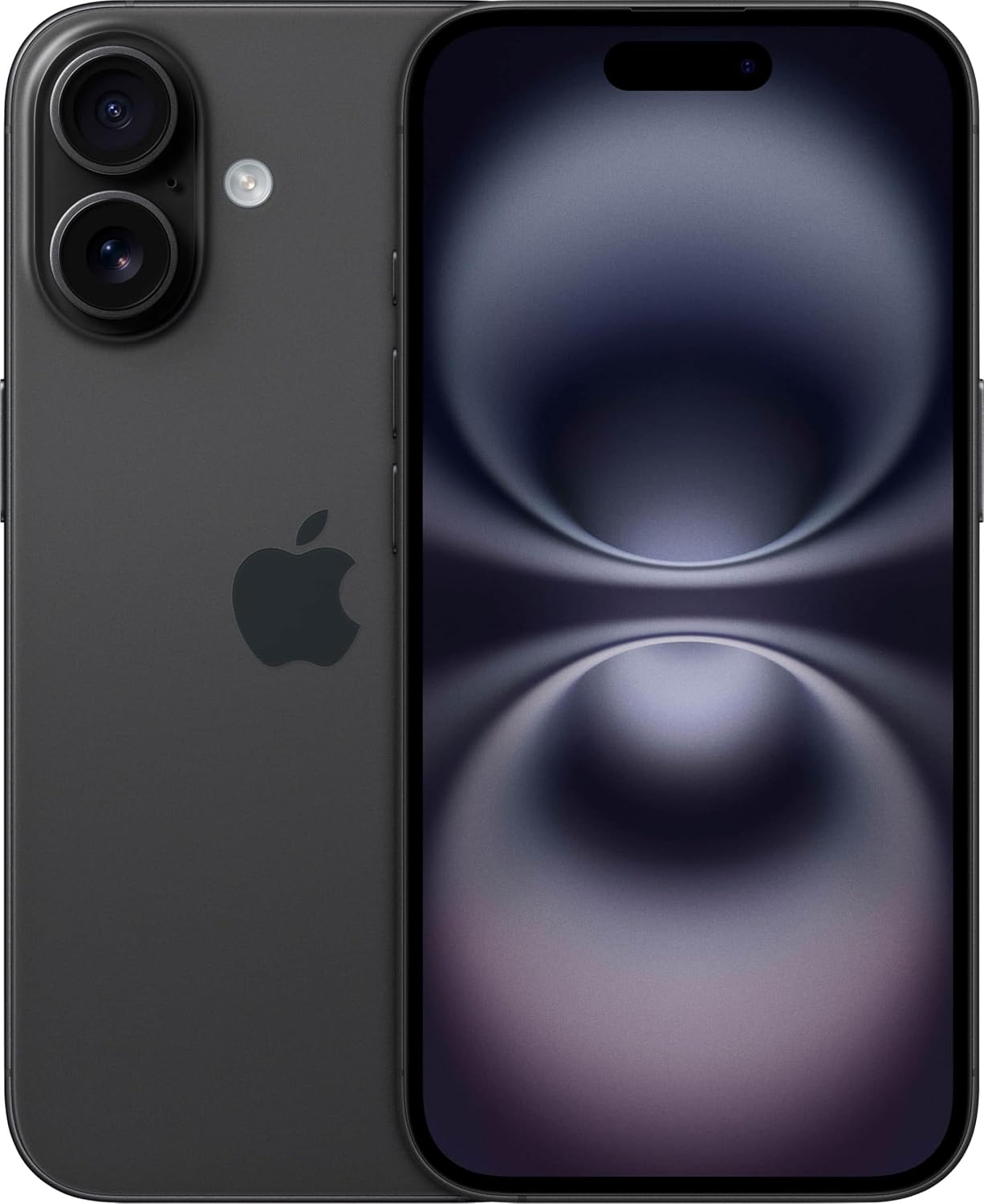
Apple iPhone 16 128GB
Pros
- Strong smartphone video quality for its tier
- Apple ecosystem integration connects Mac, AirPods, and iPad without friction
- A18 chip sets the benchmark for CPU efficiency
- Six years of iOS updates, consistent and on schedule
- MagSafe ecosystem has matured significantly
Cons
- 60Hz display is noticeably behind every competing Android flagship
- Two-camera system lacks telephoto lens
- Battery capacity is the smallest on this list
- Walled garden limits customization compared to Android
Price as of Oct 31, 2026 — see current price on Amazon.
Google Pixel 9 Pro: the best camera phone on this list
The Pixel 9 Pro is the phone you buy when camera quality is the primary criterion. Google's computational photography pipeline has a long record in published camera reviews of holding up across more conditions than rival systems. The 50MP main, 48MP ultrawide, and 48MP 5x telephoto combination is a versatile triple-camera setup, and Google's processing keeps up with it.
Magic Eraser and Best Take are the standout photo tools, and Best Take fixes the classic group shot where someone blinks. The Tensor G4 chip was designed specifically for on-device AI tasks, so these features run on the phone rather than waiting on the cloud.
Chip efficiency is the trade-off. The Tensor G4 runs warmer and less efficiently than Snapdragon 8 Elite. In intensive workloads, the Pixel 9 Pro can trail the Galaxy S25 in sustained performance. Day-to-day, most people won't notice. In benchmarks and gaming sessions, the S25 pulls ahead.
If camera quality is your top priority and you're willing to pay for it, the Pixel 9 Pro justifies its price. If the Pixel is a stretch, see the Samsung Galaxy S25 vs iPhone 16 comparison instead.
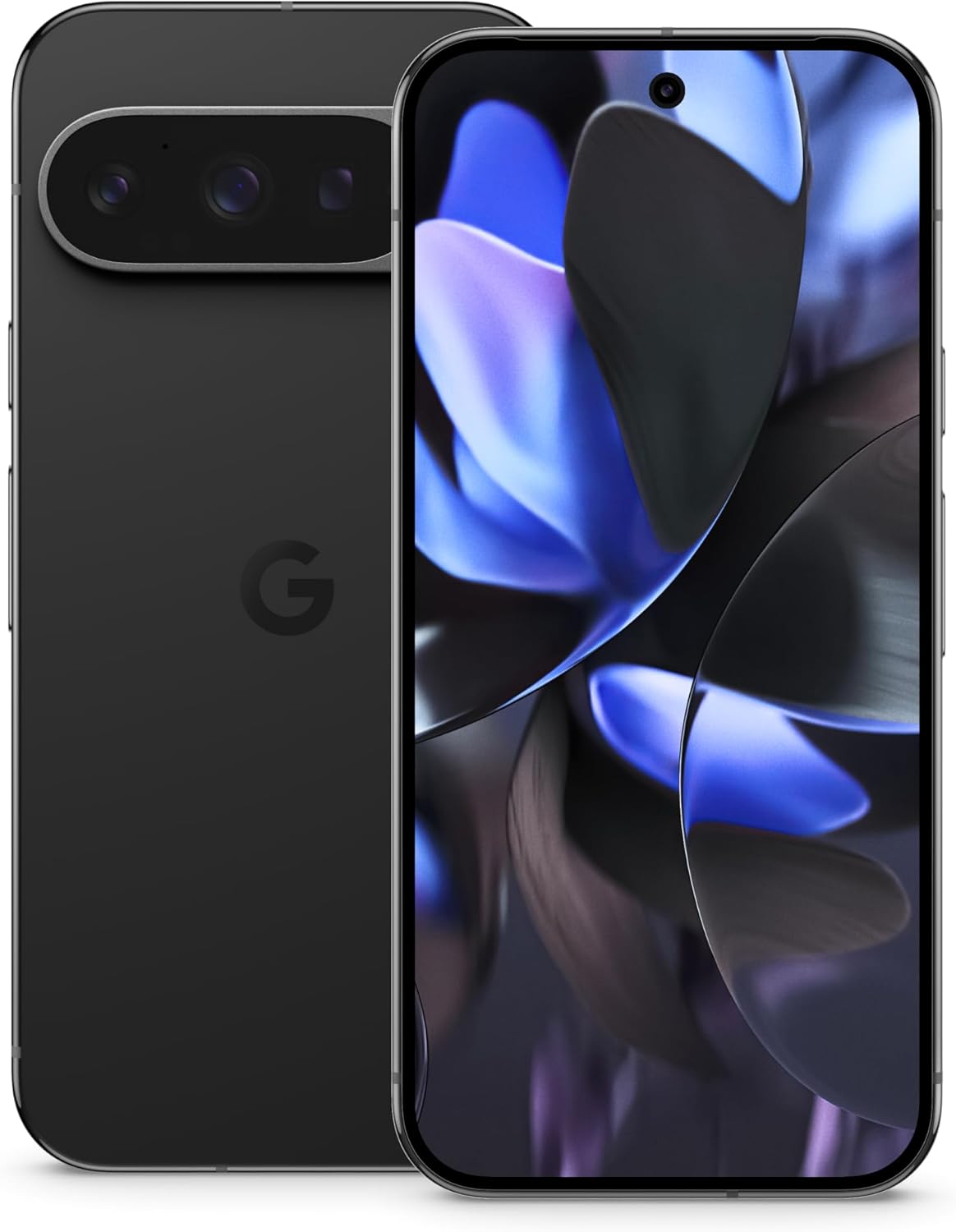
Google Pixel 9 Pro 128GB
Pros
- Best computational photography on Android
- 48MP 5x telephoto is exceptional for distance shots
- Tensor G4 chip optimized for on-device AI tasks
- Seven years of guaranteed updates direct from Google
- Pure Android with zero manufacturer bloat
Cons
- Tensor G4 runs warmer and less efficiently than Snapdragon 8 Elite
- Sustained gaming performance trails the Snapdragon phones
- One UI and OxygenOS fans may prefer their respective ecosystems
- Gemini integration is good but still catching up to Samsung DeX for power users
Price as of Oct 31, 2026 — see current price on Amazon.
OnePlus 15: the battery champion with the newest chip
The OnePlus 15 carries the biggest battery on this list by a wide margin: 7,300mAh, against 4,000mAh in the Galaxy S25. It also runs the Snapdragon 8 Elite Gen 5, a generation newer than the chip in the Galaxy S25. If battery life and raw speed are what you're optimizing for, no other phone here comes close.
This is the 12GB RAM and 256GB storage model in Infinite Black. Its $1,029.00 Amazon price sits above OnePlus's own US launch price for this configuration, so it is not the bargain older OnePlus phones were known for. You are paying for the battery and the chip.
The 6.78-inch AMOLED panel runs at up to 165Hz, the fastest refresh rate on this list. OnePlus builds the camera around three 50MP sensors: a main camera, an ultrawide, and a telephoto. Published reviews rate it a step behind the Pixel 9 Pro for computational photography, which is the Pixel's whole reason to exist.
OxygenOS is one of the cleaner Android skins. It's fast and doesn't pile on bloatware, and the gesture navigation and Always-on Display give power users control without the clutter.
The OnePlus 15 doesn't support mmWave 5G, which matters in dense urban areas where mmWave coverage exists. In most of the US, Sub-6GHz 5G is what you're getting anyway. For most buyers, this is a non-issue.
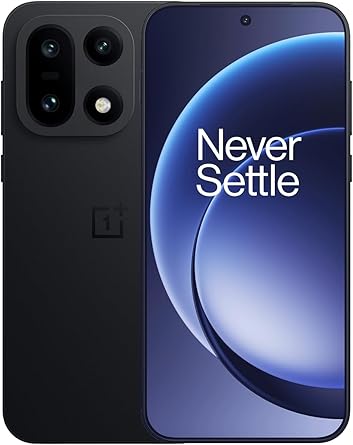
OnePlus 15 (12GB/256GB, Infinite Black)
Pros
- 7,300mAh battery is the largest on this list
- Snapdragon 8 Elite Gen 5 is the newest chip here
- 165Hz AMOLED display is the fastest on this list
- Triple 50MP camera system with a telephoto lens
- OxygenOS is clean, fast, and nearly bloat-free
Cons
- Amazon price sits above OnePlus's US launch price
- No mmWave 5G support
- Shorter guaranteed update window than Google or Samsung
- Camera processing trails Pixel 9 Pro in low light
Price as of Oct 31, 2026 — see current price on Amazon.
How to choose
- Buy the Galaxy S25 if: You want the best-balanced Android phone with a great display, proven camera, and full Samsung ecosystem. If you don't already own Apple products, this is the default recommendation.
- Buy the iPhone 16 if: You already own a Mac, iPad, or AirPods. The ecosystem value compounds quickly. Also choose it if video recording quality matters more than photo versatility.
- Buy the Pixel 9 Pro if: Camera quality is genuinely your top priority and you're willing to pay for it. Google's computational photography leads the industry.
- Buy the OnePlus 15 if: Battery life and the newest Snapdragon chip matter most, you're fine paying flagship money for them, and you don't need mmWave 5G.
Frequently asked questions
- Is the iPhone 16 worth buying over the Samsung Galaxy S25?
- If you're already in the Apple ecosystem, yes. The iPhone 16's tight integration with Mac, iPad, AirPods, and Apple Watch creates a workflow advantage that specs alone don't capture. If you're starting fresh, the Galaxy S25 has the better display, more cameras, and longer battery life.
- What is the best phone camera in 2026?
- Among these four, the Google Pixel 9 Pro has the best camera system, with a 48MP 5x telephoto and Google's computational photography pipeline. For video specifically, iPhone 16 leads with Apple's video processing software.
- Is the OnePlus 15 a good phone for the US market?
- Yes, for most buyers. It is sold unlocked with Sub-6GHz 5G support for the major US carriers. The only limitation is no mmWave 5G support, which matters in dense cities with mmWave infrastructure. Outside of major urban cores, this won't affect day-to-day connectivity.
- How long will these phones receive software updates?
- Galaxy S25 and Google Pixel 9 Pro both come with seven-year OS and security update commitments. iPhone 16 typically receives five to six years of iOS updates. OnePlus commits to a shorter window than Google or Samsung. For long-term ownership, Google and Samsung lead.
- What should I pair with my new phone?
- If you want wireless audio to match, see our guide to the best wireless earbuds under $50 or best noise-cancelling headphones under $200 for premium options.
Verdict
The Samsung Galaxy S25 earns the overall recommendation because it nails the fundamentals: excellent display, fast chip, versatile camera, and long update support. If battery life is what you care about and you can live without mmWave 5G, the OnePlus 15 is the phone to get. Camera-first buyers who won't compromise on photo quality want the Pixel 9 Pro. The iPhone 16 belongs in the hands of anyone already holding an Apple product.
None of these phones are bad choices. The decision comes down to which ecosystem you live in and which trade-off stings the least. If you'd rather have a phone that folds, see our guide to the best foldable phones.
How We Pick
We pick products by combining spec-level research, price checks, trusted third-party benchmarks, and owner sentiment from high-signal sources.
- Performance and real-world value in the category this guide targets
- Price-to-performance and deal consistency over recent pricing windows
- Build quality, reliability patterns, and known long-term issues
- Recommendation refresh cadence to keep these picks current
Author
TheTechSearch Editorial Team
Independent product reviewers & PC builders
We compare real-world specs, reviews and owner reports, price trends, and user feedback to recommend gear that actually makes sense to buy.