Best GPU for Gaming 2026: Every Budget Covered
The best graphics cards for gaming in 2026, from a $310 budget pick to the $999 4K powerhouse. Real benchmarks, no filler. Expert picks, pros and cons, and s...
As an Amazon Associate we earn from qualifying purchases made through our links — this doesn't affect our picks.
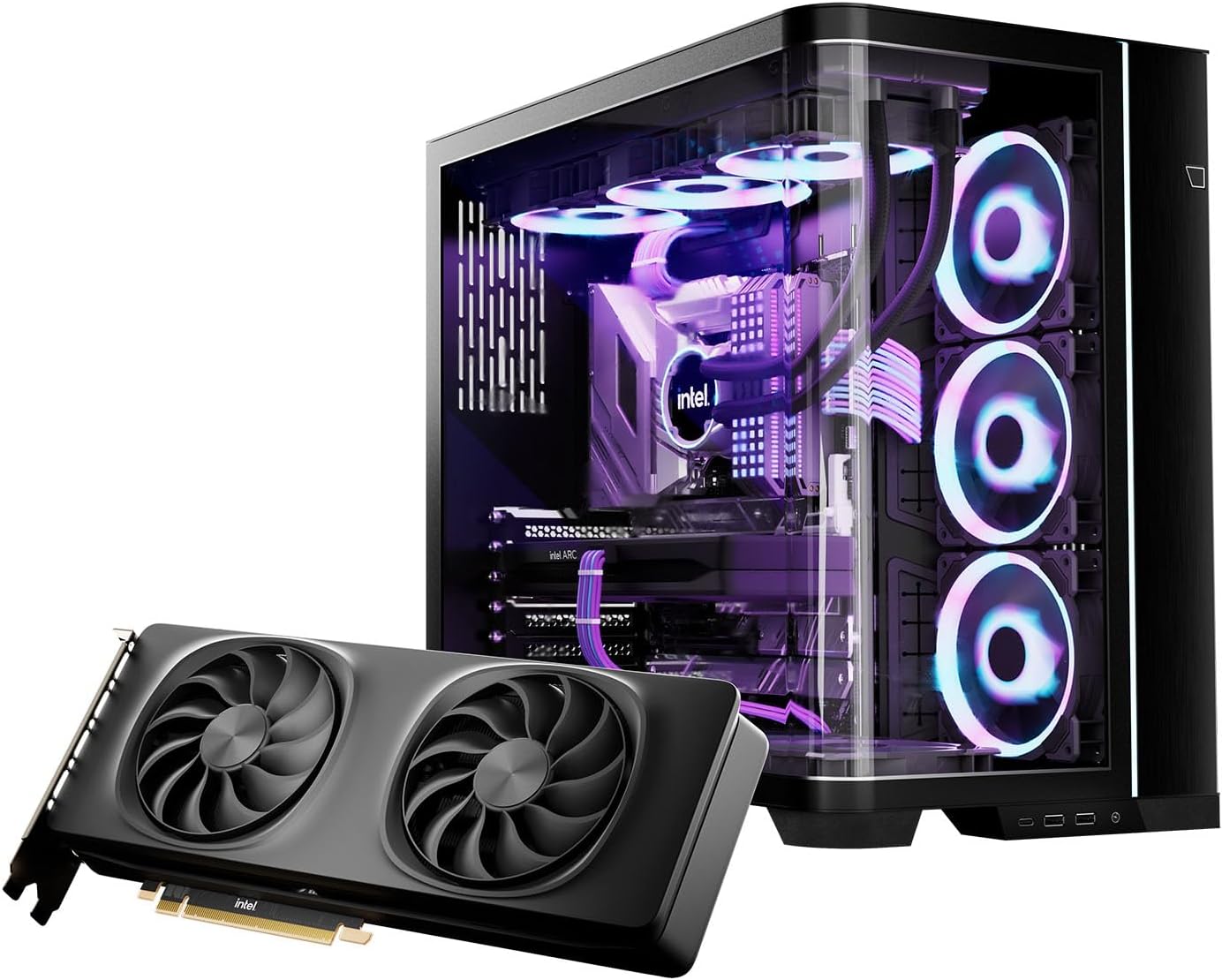
ASRock Intel Arc B580 Challenger 12GB OC
Our top recommendation for this category
Price as of Feb 19, 2026 — see current price on Amazon.
In this guide
Picking the best GPU for gaming in 2026 is genuinely complicated. NVIDIA's RTX 50-series launched with Blackwell architecture and DLSS 4. AMD's RDNA 4 cards arrived and punched well above their price. Intel's Arc B580 is quietly the best budget GPU nobody talks about. The good news: at every price point, you're getting more performance per dollar than at any point in the last three years.
This guide ranks five cards across the price spectrum, from $310 to $999, to find the best graphics card for each type of gamer. Whether you're building a 1080p rig on a tight budget or finally pulling the trigger on a 4K gaming setup, there's a card here for you.
Quick picks
| GPU | VRAM | Best For | TDP | Price | |
|---|---|---|---|---|---|
| ASRock Arc B580 Challenger OC | 12GB GDDR6 | 1080p budget gaming | 190W | $310 | Check Price |
| AMD RX 9070 (Sapphire Pulse) | 16GB GDDR6 | 1440p value | 220W | $549 | Check Price |
| AMD RX 9070 XT (XFX Swift) | 16GB GDDR6 | Best all-rounder | 304W | $599 | Check Price |
| MSI RTX 5070 Ti Gaming Trio | 16GB GDDR7 | High-end 1440p/4K | 300W | $749 | Check Price |
| ASUS TUF Gaming RTX 5080 | 16GB GDDR7 | 4K ultra gaming | 360W | $999 | Check Price |
Best budget GPU: ASRock Arc B580 Challenger OC
ASRock Intel Arc B580 Challenger 12GB OC
Pros
- 12GB of VRAM at a price nothing else in 2026 matches
- Strong 1080p performance that surprises most benchmarks
- XeSS upscaling is genuinely good at Quality mode
- Low power draw at 190W
- Dual-fan Challenger cooler runs silent at idle
- Driver quality has improved significantly since Arc launch
Cons
- 1440p performance drops off vs. AMD/NVIDIA options
- Occasional driver hiccups in niche titles
- Ray tracing performance lags behind
- No equivalent to DLSS 4 or FSR 4
Price as of Feb 19, 2026 — see current price on Amazon.
The Arc B580 is the answer to a real problem: what do you buy at the bottom of the GPU market? For a long time, nothing. The RX 6600 was fine, the RTX 3060 was fine, but neither was exciting. The B580 is actually exciting.
One change since we first wrote this up, and it is not Intel's doing. Intel's own Limited Edition card is no longer buyable on Amazon, and the memory shortage that has pushed every GPU up in 2026 took the B580 with it. The card we link now is ASRock's Challenger OC at $309.99, checked on 8 September 2026: a dual-fan partner card with a factory overclock, the same 12GB of GDDR6, and a cooler that idles silent. It is sixty dollars more than the B580 used to cost. Every alternative went up by a great deal more, which is exactly why this card has held its slot.
At 1080p, the B580 delivers performance that used to require considerably more expensive hardware. It is a 1080p high-settings card first, and that is the resolution it was priced for.
The 12GB of VRAM is the hidden advantage. Most cards at this price point come with 8GB, which is already showing limits in 2026 games. Textures, ray tracing effects, and open-world streaming all eat into VRAM headroom fast. The extra 4GB is not theoretical future-proofing. It matters right now.
1440p is where the B580 hits a wall. At that resolution and high settings, framerates drop to the upper 50s in demanding titles. Playable, but not what you buy a GPU for. If you're on a 1080p monitor and plan to stay there, nothing else near this price comes close, and in this market that gap is wider than it has ever been. If you have a 1440p monitor, save up for the RX 9070.
Intel's driver situation has improved substantially. A year ago, I would have steered people away from Arc hardware purely on stability grounds. Today, the drivers are reliable in mainstream games. Niche titles and older DirectX 9 games can still cause problems, but the common library works.
For budget builds, the B580 pairs well with the Ryzen 5 7600 or Intel Core i5-13400F. Check out our best budget PC builds guide for full system recommendations around this GPU.
Best value GPU: AMD Radeon RX 9070
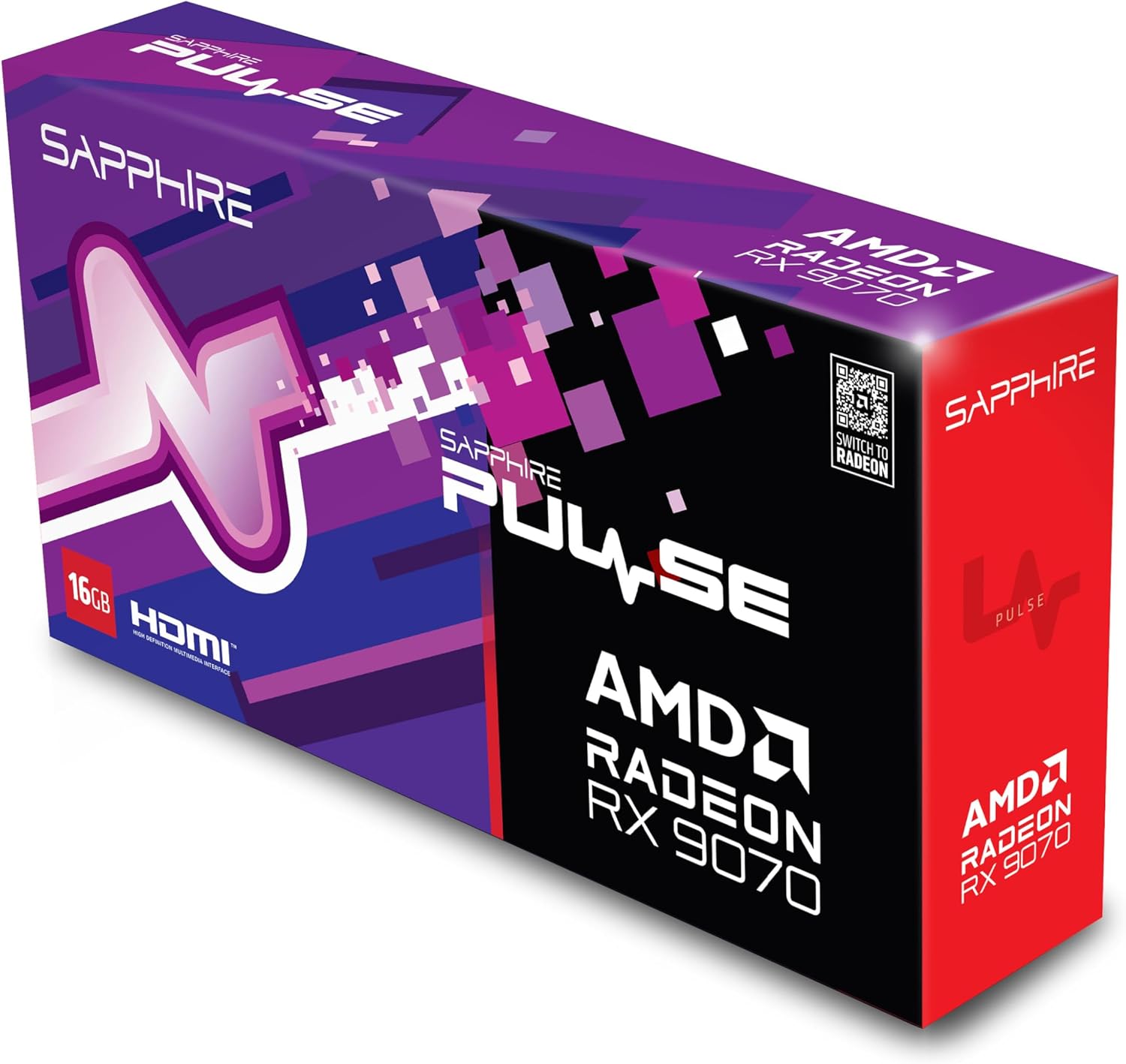
Sapphire Pulse AMD Radeon RX 9070 16GB
Pros
- 1440p performance that rivals last-gen flagships
- 16GB GDDR6 with wide 256-bit memory bus
- Remarkably power efficient at ~160W actual load
- FSR 4 AI upscaling is a genuine improvement over FSR 3
- Strong rasterization beats RTX 5070 at 4K
Cons
- Ray tracing behind RTX 5070 Ti at this price tier
- No frame generation equivalent to DLSS 4 MFG
- AMD software stack is improving but still behind NVIDIA
- Stock allocation has been limited at launch
Price as of Feb 19, 2026 — see current price on Amazon.
AMD's RX 9070 is the most efficient GPU in this guide. The actual power draw under gaming load sits around 160-175W, well below its 220W rated TDP, and the performance you get per watt is the best in the current generation.
At 1440p with high settings, the RX 9070 is a comfortable high-refresh card in most current games. In pure rasterization tests, the card actually outperforms the RTX 5070 at 4K, which is remarkable given the $549 vs $599 price difference.
RDNA 4 brought major ray tracing improvements. The gap between AMD and NVIDIA in RT workloads has narrowed significantly from previous generations. The 9070 is not RTX 5070 Ti-tier in RT, but it handles ray tracing well enough for most use cases.
FSR 4 is legitimately good. AMD rebuilt the upscaling from the ground up using AI-based techniques, and Quality mode output at 1440p looks sharp enough that most players won't notice it is upscaled. It still doesn't match DLSS 4 in fine detail retention, but the gap is smaller than reviewers expected before launch.
The Sapphire Pulse model specifically runs cool and quiet. Sapphire has been making AMD reference coolers look embarrassing for years, and the Pulse's dual-fan design is built to keep both temperatures and fan noise down.
For more options at this price tier, see our roundup of graphics cards under $400 which covers the RTX 5060 Ti and other alternatives.
Best all-around GPU: AMD Radeon RX 9070 XT
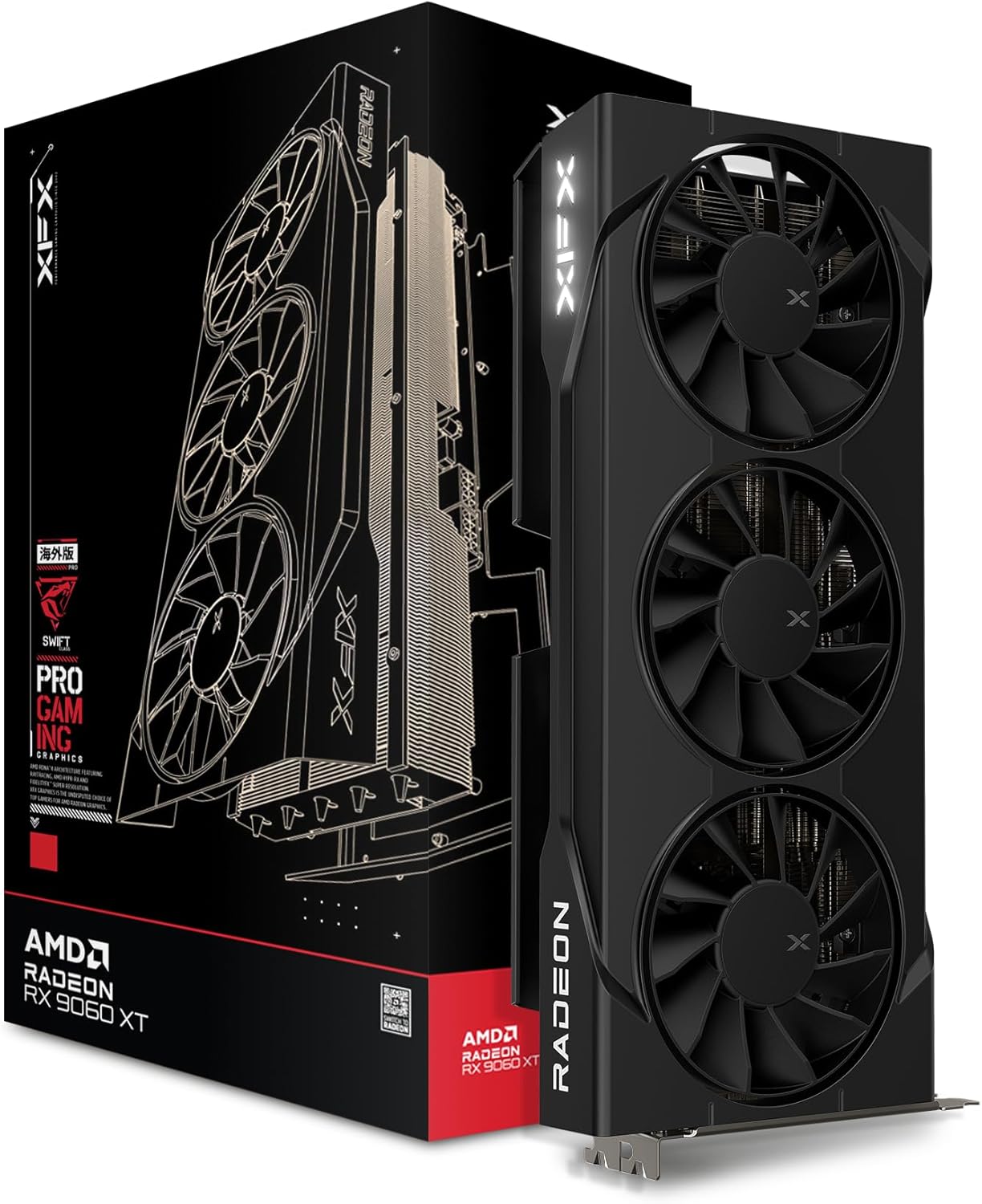
XFX Swift AMD Radeon RX 9070 XT 16GB
Pros
- 11-13% faster than the RX 9070 for $50 more
- Dominates the RTX 5070 in rasterization at 4K
- 16GB GDDR6 handles everything at 1440p and 4K
- RDNA 4 architecture delivers strong compute performance
- XFX Swift cooler runs quiet under load
Cons
- Falls behind RTX 5070 Ti in ray tracing workloads
- FSR 4 still behind DLSS 4 in image quality
- No multi-frame generation
- Runs hotter than the RX 9070 at 304W TDP
Price as of Feb 19, 2026 — see current price on Amazon.
If you're buying one GPU in 2026 and want the best combination of price and performance, buy the RX 9070 XT. It costs $50 more than the RX 9070 and is consistently 11 to 13 percent faster in the games that matter. That's a straightforward upsell.
At 1440p, it is the fastest card in this guide below the RTX 5070 Ti tier. At 4K, the 9070 XT stayed above 60 fps in most titles at high settings, making it a genuine 4K card for 60 fps gaming. You'll need FSR 4 Quality mode in the most demanding 4K titles, but the native performance is strong enough to not need it often.
In the GamersNexus benchmark suite, the 9070 XT leads the RTX 5070 in 4K rasterization by 0 to 18 percent depending on the game. The RTX 5070 is faster in some ray tracing scenarios and at 1080p, but for the majority of gaming workloads, especially at 1440p and 4K, the 9070 XT wins on raw performance per dollar.
XFX's Swift cooler keeps things cool at full load, with triple fans and an aluminum heatsink that dissipates heat efficiently. At 304W TDP, this card needs proper airflow in your case, but it's not the furnace some high-end GPUs turn into.
The one honest downside is ray tracing. The RTX 5070 Ti still leads significantly in RT-heavy games like Cyberpunk 2077 with full path tracing. If you prioritize ray tracing, consider whether the $150 premium for the 5070 Ti is worth it. For most gamers, the rasterization advantage of the 9070 XT in non-RT games matters more.
Best high-end GPU: MSI RTX 5070 Ti Gaming Trio OC Plus
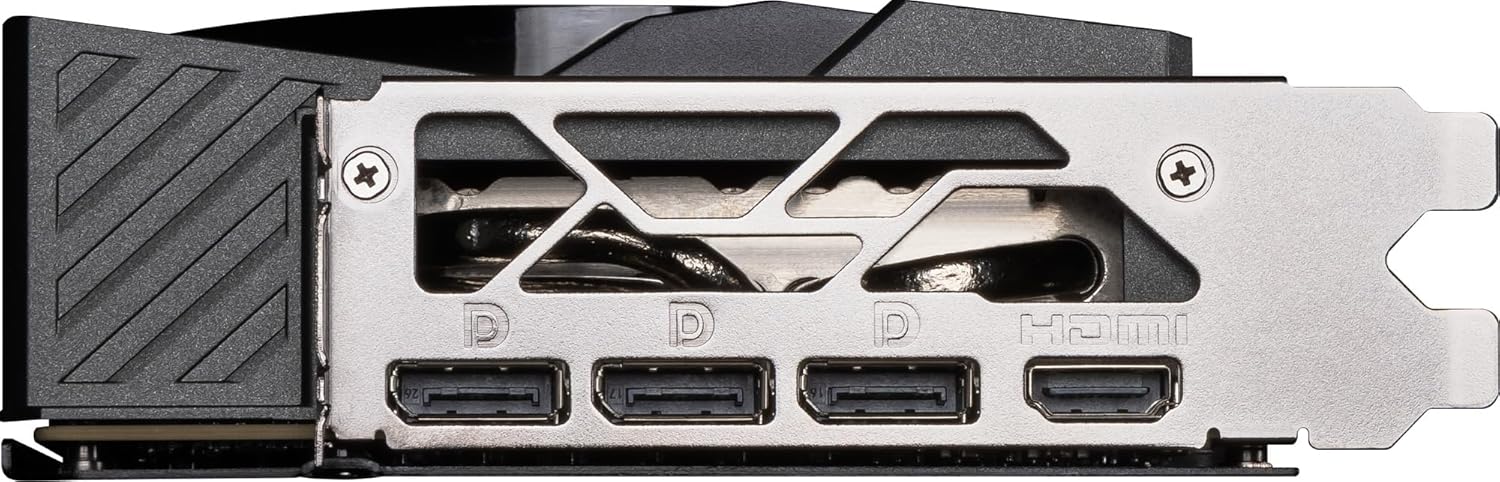
MSI GeForce RTX 5070 Ti 16GB Gaming Trio OC Plus
Pros
- DLSS 4 Multi Frame Generation delivers framerates no AMD card at this price can touch
- Best ray tracing performance under $1,000
- 16GB GDDR7 at 28 GB/s memory bandwidth
- TRI FROZR 4 cooler runs impressively quiet at full load
- PCIe 5.0 interface future-proofed for next-gen platforms
Cons
- $749 is a serious investment
- Multi Frame Generation adds latency you can measure
- 16GB GDDR7 vs 16GB GDDR6 doesn't translate to proportional performance gains
- Slightly overkill for 1440p if you're not pushing max settings
Price as of Feb 19, 2026 — see current price on Amazon.
DLSS 4 Multi Frame Generation is the reason to buy an RTX 5070 Ti over an AMD card at this price tier. It's the feature that changes the math on a $749 GPU.
Here's how it works: the card renders every fourth frame natively, then uses AI to generate the three frames in between. In a heavy ray-traced game like Cyberpunk 2077, that can multiply the displayed frame rate several times over at 1440p with DLSS Quality. The latency increase is real but manageable at a high refresh rate monitor.
For ray tracing specifically, the RTX 5070 Ti is the last point on the price curve where RT performance stays strong without paying flagship prices. Games with heavy RT loads like Alan Wake 2, Returnal, and Indiana Jones all ran above 60 fps at 4K with ray tracing at high settings. The RX 9070 XT gets close in some titles but falls behind when shaders get demanding.
The MSI Gaming Trio OC Plus is one of the better AIB implementations of the 5070 Ti. Its TRI FROZR 4 cooler uses three STORMFORCE fans and a large vapor chamber that keeps the GPU below 72C under extended load, with fan noise that stays inaudible during normal gaming. MSI built the board with quality components and a solid backplate that doesn't flex.
At 300W TDP, this card runs cooler than the RX 9070 XT despite significantly higher performance. Blackwell architecture efficiency gains are real.
For comparison context, see our RTX 5080 vs RTX 5090 breakdown if you're considering stepping up to flagship territory.
Best 4K GPU: ASUS TUF Gaming GeForce RTX 5080
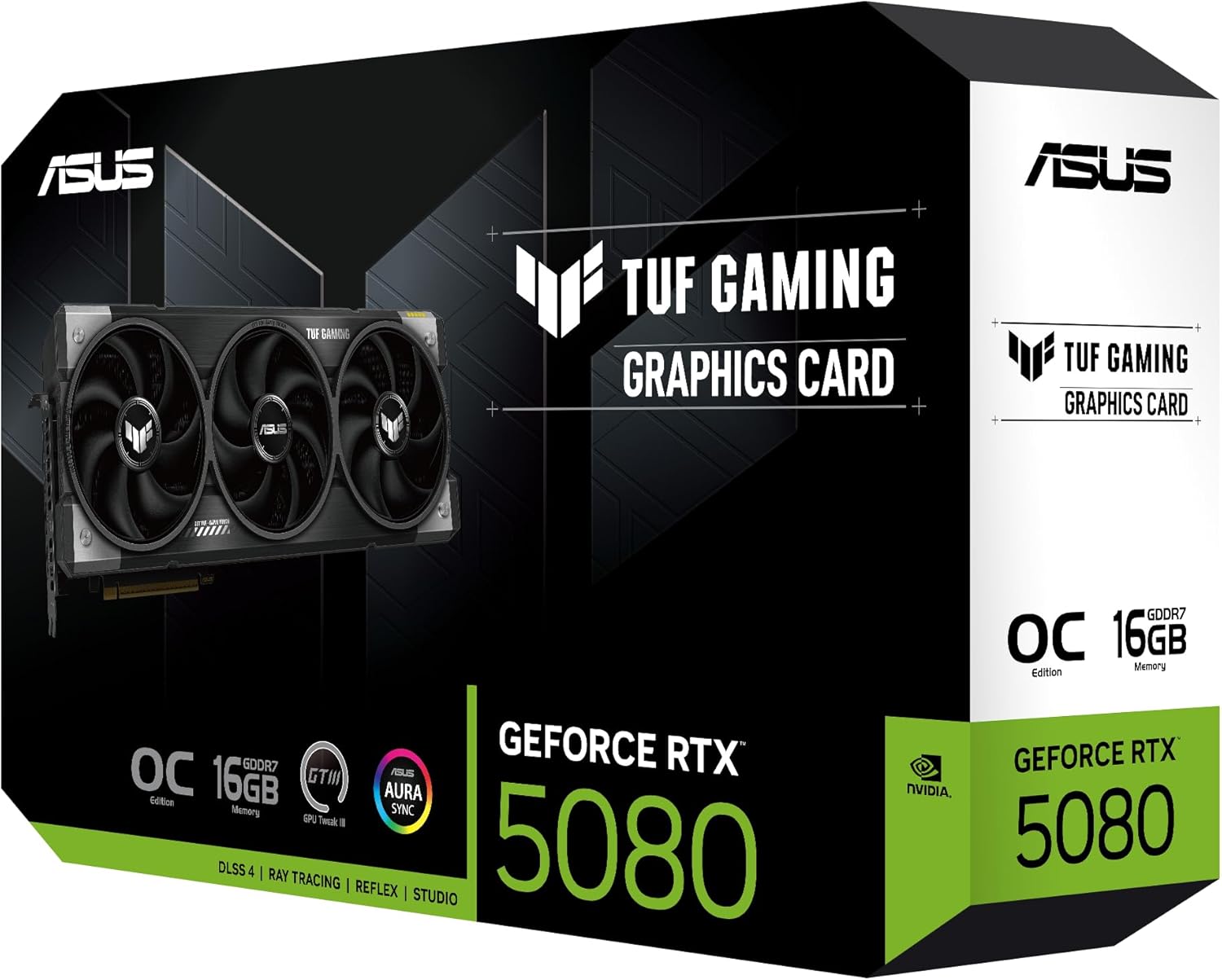
ASUS TUF Gaming GeForce RTX 5080 16GB GDDR7 OC Edition
Pros
- Handles 4K at max settings natively in most titles
- DLSS 4 MFG pushes framerates past 100fps at 4K in RT games
- Military-grade components and vapor chamber cooling
- 16GB GDDR7 at 960 GB/s memory bandwidth
- 3.6-slot design with axial-tech fans runs cool under sustained load
Cons
- $999 MSRP, often selling above that at retail
- 16GB VRAM is the same as the RTX 5070 Ti
- Extremely large GPU that needs a full-tower or large mid-tower case
- 360W TDP requires quality PSU (850W+)
- Overkill for anyone not gaming at 4K with max settings
Price as of Feb 19, 2026 — see current price on Amazon.
The RTX 5080 is the card you buy when you have a 4K 144Hz monitor and you refuse to turn any setting below maximum. It delivers on that promise.
At 4K with ultra settings it is the only card here below the RTX 5090 that rarely needs upscaling to stay smooth, and in games that support it DLSS 4 Quality mode adds a large margin on top. With Multi Frame Generation on top, competitive titles hit framerates that feel ridiculous on a 4K display.
This is where the RTX 5080 separates itself from the 5070 Ti: sustained 4K performance with demanding titles. In Cyberpunk 2077 with full path tracing at 4K, both cards lean on DLSS, but the 5080 starts from a higher base frame rate, so it needs less help from frame generation to feel smooth. That's a meaningful difference when you've spent money on a 4K panel.
ASUS TUF Gaming is the right version to buy if you can't get the ROG Strix at retail. The military-grade component selection and vapor chamber cooling make it durable for heavy workloads, and the axial-tech fans stay below 40dB at full gaming load. The 3.6-slot design means you need a case with proper GPU clearance, but any full-size ATX case will handle it.
Power requirements are real. The 5080 needs a quality 850W PSU with at least one 16-pin connector (or adapter). Budget PSUs struggle with the transient loads of modern high-end GPUs. Don't pair a $999 GPU with a $50 power supply.
For a full comparison of what sitting above the 5080 looks like, see our RTX 5080 vs RTX 5090 comparison.
GPU buying guide: what actually matters in 2026
VRAM: the floor keeps rising
8GB VRAM was fine in 2023. It's a liability in 2026. Recent games including The Witcher 4, Indiana Jones and the Great Circle, and several other titles spike above 10GB at 1440p with high texture settings. Every GPU recommendation above starts at 12GB. The two NVIDIA cards both carry 16GB GDDR7. The AMD options carry 16GB GDDR6. Plan accordingly.
1080p vs 1440p vs 4K: match your monitor
Resolution determines where your money should go. If you're gaming at 1080p, the Arc B580 is genuinely all you need. At 1440p, the RX 9070 or 9070 XT hits the sweet spot. True 4K at high settings needs the RTX 5080 tier unless you're comfortable using upscaling heavily.
Upscaling: DLSS 4 vs FSR 4 vs XeSS
All three upscaling systems work. The order of quality roughly tracks with the hardware hierarchy. DLSS 4 produces the sharpest output at Quality mode and the only system with Multi Frame Generation. FSR 4 improved substantially over FSR 3 and now uses AI-based rendering, narrowing the gap to DLSS significantly. XeSS on the Arc B580 works well enough for the price point.
If you game at Quality or Ultra Quality mode, the difference between FSR 4 and DLSS 4 is small enough that most people can't reliably identify which is which on a 27-inch monitor from a normal viewing distance.
Ray tracing: NVIDIA leads, AMD is closing
The RTX 5000-series still leads in ray tracing throughput, particularly in titles like Cyberpunk 2077 with path tracing enabled. AMD's RDNA 4 brought meaningful RT improvements, but the 5070 Ti outperforms the 9070 XT in the most demanding RT workloads by a significant margin.
For games that use limited RT features (like shadow ray tracing or ambient occlusion only), AMD and NVIDIA perform similarly. The gap appears when full path tracing enters the picture.
Power: bigger numbers, better efficiency
Counter-intuitively, the RTX 5000-series gets better performance per watt than previous-gen cards despite higher rated TDPs. The RTX 5070 Ti at 300W delivers much more performance per watt than an RTX 4090 did at 450W. Budget for a quality PSU, but don't assume higher wattage means worse efficiency.
For reference on how to pair a GPU with the right system components, check our best gaming laptops guide which covers integrated GPU versus discrete tradeoffs.
Frequently asked questions
- What is the best GPU for gaming in 2026?
- The AMD RX 9070 XT is the best overall GPU for most gamers in 2026. It costs $599, delivers strong 1440p and capable 4K performance, and comes with 16GB VRAM. For 1080p on a budget, the Intel Arc B580 at $249 is the standout value pick. For 4K gaming at maximum settings, the RTX 5080 is the right choice.
- Is the RX 9070 XT better than the RTX 5070?
- In most scenarios, yes. The RX 9070 XT leads the RTX 5070 in 4K rasterization benchmarks by 0 to 18 percent depending on the game, and costs the same at MSRP. The RTX 5070 leads in ray tracing and has DLSS 4, which the AMD card lacks. For most gaming workloads without heavy ray tracing, the 9070 XT wins on raw performance.
- Should I buy AMD or NVIDIA GPU in 2026?
- AMD is the better value choice in 2026. The RX 9070 and 9070 XT both outperform their NVIDIA counterparts in rasterization at comparable prices. NVIDIA wins if DLSS 4 Multi Frame Generation and best-in-class ray tracing matter to you. For pure rasterization performance per dollar, AMD's RDNA 4 lineup is where the value sits.
- How much VRAM do I need for gaming in 2026?
- At minimum 12GB. Several 2025-2026 releases including The Witcher 4 and Indiana Jones use above 10GB at 1440p with high texture settings. The 8GB tier is showing real limitations. Aim for 16GB if your budget allows.
- Is the Intel Arc B580 worth buying?
- Yes, specifically for 1080p gaming on a tight budget. At $309.99, it delivers 1440p-class performance at 1080p with 12GB VRAM. Driver stability is much better than previous Arc generations. The main limitation is 1440p and above performance, where it falls behind the RX 9070.
- Do I need PCIe 5.0 for modern GPUs?
- No, PCIe 4.0 provides enough bandwidth for all current GPU architectures. PCIe 5.0 compatibility is a nice feature for future-proofing but has zero real-world performance impact in 2026 games.
Our verdict
The AMD RX 9070 XT is the right GPU for most people reading this. It beats the RTX 5070 in the games people actually play, costs the same, and comes with 16GB VRAM. The $50 premium over the RX 9070 is worth it for the consistent 11 to 13 percent performance bump.
If your budget is around $310, get the Intel Arc B580 and don't look back until you buy a 1440p monitor.
If you game at 4K with maximum settings and want native performance without depending on upscaling, the RTX 5080 is the card to own. Nothing else reliably hits that combination.
The RTX 5070 Ti earns its place for gamers who prioritize ray tracing or need the best DLSS 4 experience below $1,000. At $749, it's the only card that makes ray tracing feel like a premium feature instead of a performance penalty.
As an Amazon Associate, we earn from qualifying purchases. This doesn't affect our recommendations or editorial independence.
How We Pick
We pick products by combining spec-level research, price checks, trusted third-party benchmarks, and owner sentiment from high-signal sources.
- Performance and real-world value in the category this guide targets
- Price-to-performance and deal consistency over recent pricing windows
- Build quality, reliability patterns, and known long-term issues
- Recommendation refresh cadence to keep these picks current
Author
TheTechSearch Editorial Team
Independent product reviewers & PC builders
We compare real-world specs, reviews and owner reports, price trends, and user feedback to recommend gear that actually makes sense to buy.