Best Open-Back Headphones 2026
Five open-back headphones compared on soundstage, imaging, and comfort, from an $79 budget pair to a $299 planar, for music and gaming. Expert picks, pros an...
As an Amazon Associate we earn from qualifying purchases made through our links — this doesn't affect our picks.
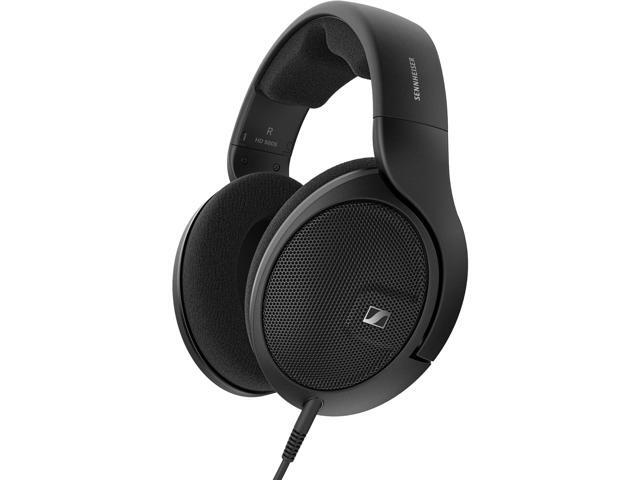
Sennheiser HD 560S Open-Back Over-Ear Wired Headphones
Our top recommendation for this category
Price as of Jul 19, 2026 — see current price on Amazon.
Once you hear a good open-back headphone, closed cans start to feel like listening from inside a box. That's the whole pitch. Open-back drivers vent to the outside world, which kills the pressurized, in-your-head feeling and hands you a wide, airy soundstage instead. For music that means instruments sit in space. For gaming it means you can actually tell where footsteps are coming from, which no closed gaming headset does as well.
The tradeoff is real, so let's get it out of the way up front. These leak sound both directions. Your roommate will hear your music, and you'll hear the room. So these are desk headphones, not commute headphones. If you're in a quiet room, though, nothing at this price touches them for staging and detail.
Five pairs made the cut, spanning the $79 to $299 range. Here's how they shake out.
Quick Picks
| Headphone | Driver | Impedance | Best For | Price | |
|---|---|---|---|---|---|
| Sennheiser HD 560S | Dynamic | 120 ohm | All-rounder | ~$169 | Check Price |
| Beyerdynamic DT 900 Pro X | Dynamic (STELLAR.45) | 48 ohm | Gaming & studio | ~$269 | Check Price |
| HiFiMan Sundara | Planar magnetic | 37 ohm | Detail freaks | ~$299 | Check Price |
| Sennheiser HD 599 SE | Dynamic | 50 ohm | Easy listening | ~$99 | Check Price |
| Philips SHP9500 | Dynamic (50mm) | 32 ohm | Budget | ~$79 | Check Price |
Sennheiser HD 560S: Best for Most People
Sennheiser HD 560S Open-Back Over-Ear Wired Headphones
Pros
- Neutral, reference-leaning tuning that reveals detail without sounding harsh
- Precise imaging makes it a genuinely great pick for competitive gaming
- Angled E.A.R. driver alignment gives a wider stage than the price suggests
- Light at 240g with cool velour pads for long sessions
- Detachable cable plus a 6.35mm adapter in the box
Cons
- 120-ohm impedance really wants an amp or a half-decent DAC to shine
- Bass is accurate, not fun, so bassheads should look elsewhere
- Plasticky build feels a notch below the price
Price as of Jul 19, 2026 — see current price on Amazon.
If someone asks me for one open-back to buy and doesn't want to overthink it, this is the answer. The HD 560S does everything well. It's tuned close to neutral, which sounds boring on paper but in practice means it doesn't editorialize your music. What's in the recording is what you hear.
For gaming it's a quiet weapon. The imaging is precise enough to pick out footstep direction in shooters like Warzone better than many $150 gaming headsets. RTINGS and a pile of Head-Fi threads land in the same place, and that's why the r/headphones crowd defaults to recommending this thing.
One caveat that trips people up. The 120-ohm rating means your laptop headphone jack will drive it to loud, but flat and lifeless. Feed it even a cheap $60 dongle DAC and it transforms. Budget for that.
Beyerdynamic DT 900 Pro X: Best for Gaming and Studio Work

Beyerdynamic DT 900 Pro X Open-Back Studio Headphones
Pros
- 48-ohm STELLAR.45 driver is easy to drive, even off a phone dongle
- Handcrafted in Germany with almost every part user-replaceable
- Plush velour pads and light clamp make it comfortable for all-day sessions
- Detachable mini-XLR cable, and the DT 700/900 share the same Pro X ecosystem
- Clean, slightly bright tuning that's great for spotting detail in a mix or a game
Cons
- That treble lift can get fatiguing on bright recordings
- Only one cable length in the box depending on the SKU you grab
- At ~$269 it's competing with planars now
Price as of Jul 19, 2026 — see current price on Amazon.
Beyerdynamic redesigned the DT line a few years back around the new STELLAR.45 driver, and the DT 900 Pro X is the open-back result. The big practical win over older Beyer cans, like the classic 250-ohm DT 990, is the impedance. At 48 ohms this thing plays nicely with a phone dongle or a modest audio interface. No beefy amp required.
Comfort is where it earns its keep. Beyer's velour pads are legendary for a reason, and the clamp is gentle, which is what you want for long editing sessions. The headband padding could be thicker, though.
The tuning leans a touch bright and analytical. That's exactly what you want for studio work and for hearing positional cues in a game. For pure music enjoyment it's a little clinical, though a mild EQ dip around 8kHz mellows it right out if you go that route.
HiFiMan Sundara: Best for Outright Detail
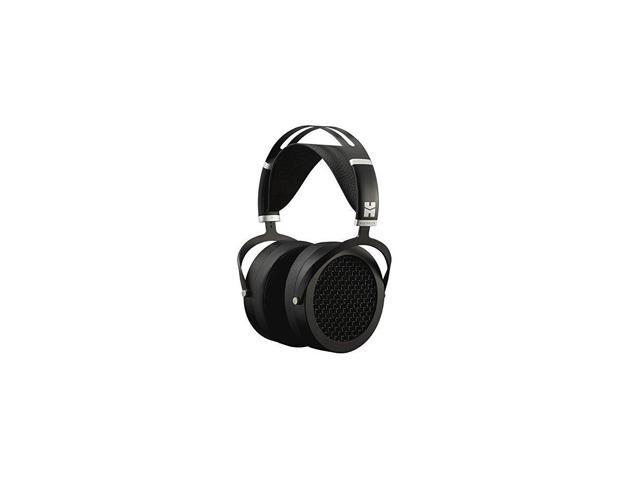
HiFiMan Sundara Planar Magnetic Over-Ear Headphones (2020 Version)
Pros
- Planar magnetic drivers deliver detail and speed dynamic drivers struggle to match
- Fast, tight bass with none of the bloat you get from cheaper cans
- Sleek metal build feels a full class above the plastic competition
- 37-ohm rating means it doesn't need a massive amp to get going
- Updated 2020 earpads fixed the older model's comfort complaints
Cons
- Sensitive to amp quality, it scales hard with better gear
- Clamp is a bit firm out of the box until the headband breaks in
- No fun bass boost, this is a detail-first tuning
Price as of Jul 19, 2026 — see current price on Amazon.
This is the pair for hearing new detail in tracks you've heard a thousand times. Planar magnetic drivers work differently from the standard dynamic cones in every other pair here, using a thin diaphragm stretched across an array of magnets. The payoff is resolution. Cymbals have texture, bass notes start and stop on a dime, and busy passages don't turn to mush.
HiFiMan claims the Sundara's diaphragm is roughly 80% thinner than the older HE400 series, and you can hear the result in how effortless everything sounds. The 2020 revision also swapped in better pads, which was the main knock on the original.
Two honest warnings. First, planars scale with your source. It sounds good off a dongle and genuinely great off a real desktop amp, so if you buy this, you'll eventually want to feed it. Second, the tuning is honest, not warm. If you want thump, this isn't it. If you want to hear everything, it's the best pair on this list.
Sennheiser HD 599 SE: Best Under $100
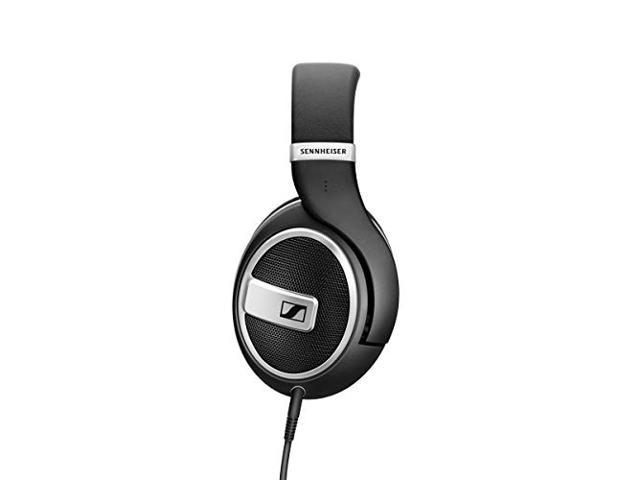
Sennheiser HD 599 SE Around-Ear Open-Back Headphones
Pros
- Warm, relaxed tuning that's forgiving on bad recordings and easy to love
- Only 50 ohms, so it runs fine straight off a phone or laptop
- Huge, plush velour pads that basically disappear on your head
- Ships with two cables, a 3m 6.35mm and a 1.2m 3.5mm
- Regularly dips to $99 or lower on sale
Cons
- Softer treble means less of the pinpoint imaging the HD 560S nails
- Bulky, old-school look with the beige-and-brown colorway on some versions
- Non-detachable-feeling proprietary connector at the cups
Price as of Jul 19, 2026 — see current price on Amazon.
The HD 599 SE is the comfort pick, in both senses. It's the most comfortable pair on this list, and it's the easy, no-stress listen. Where the 560S is neutral and revealing, the 599 is warm and smooth. It rounds off the edges of harsh recordings and just sounds pleasant, which is exactly what a lot of people actually want.
It's also the most forgiving here about what you plug it into. At 50 ohms it gets plenty loud off a phone or a laptop, no DAC required. That makes it a great first open-back for someone who isn't ready to build a whole audio chain.
For gaming it's fine but not a standout. The softer treble means you lose a little of that razor imaging you get from the 560S or the DT 900. But for movies, casual play, and long music sessions, those big velour pads and the relaxed tuning are a genuinely lovely combo. And at $99, it's an easy yes.
Philips SHP9500: Best Budget Open-Back
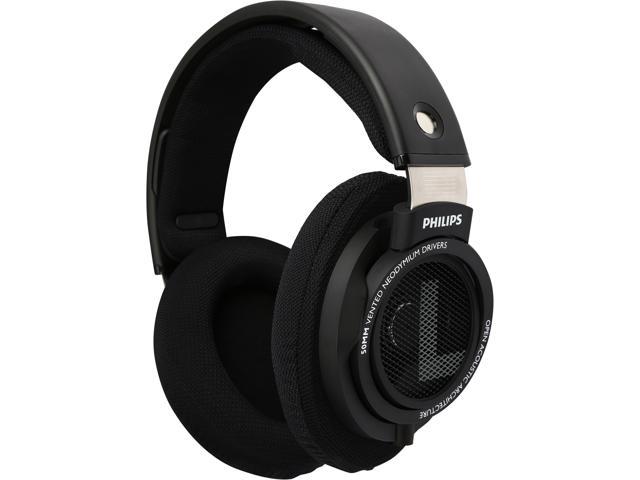
Philips SHP9500 HiFi Precision Stereo Over-Ear Open-Back Headphones
Pros
- Absurd value, a real open-back soundstage for well under $100
- 50mm drivers and a 32-ohm load run great off anything, even a phone
- Detachable 3.5mm cable makes it easy to add a boom mic for gaming
- Light and comfy with breathable pads for long sessions
- Huge modding and gaming community around it
Cons
- Bass rolls off early, so it's light on low-end punch
- All-plastic build feels cheap, because it is
- Stock pads flatten over time and are worth replacing
Price as of Jul 19, 2026 — see current price on Amazon.
The SHP9500 is the headphone people recommend when someone posts "I have $80 and want open-back" on Reddit, and it's been that answer for years. For the money the soundstage is genuinely wide, the mids are clean, and it images better than any closed headset near this price.
It's become a bit of a cult favorite in the gaming crowd for one specific reason. The detachable cable and easy-to-drive 32-ohm load make it the perfect base for a cheap boom mic setup, like a V-Moda or an Antlion ModMic. You end up with a "gaming headset" that outperforms $150 branded ones for maybe half the cost.
Don't expect miracles on bass. The low end rolls off and there's no slam here. But for competitive gaming and detail-forward music on a tight budget, nothing at $79 does what this does. Swap the pads after a year and it's good as new.
How to Choose an Open-Back Headphone
Do you need an amp or DAC?
This is the question that trips up most first-timers. Impedance and sensitivity decide how much power a headphone needs. The low-impedance pairs here, the SHP9500 (32 ohm), the Sundara (37 ohm), the DT 900 Pro X (48 ohm), and the HD 599 (50 ohm), all run fine off a phone or laptop jack. The HD 560S at 120 ohms is the outlier, and it really does want a dedicated source to sound its best. A $60-100 dongle or desktop DAC is enough for anything on this list, and the Sundara in particular keeps improving as you feed it better gear.
Open-back for gaming: is it worth it?
Yes, and it's not close for positional audio. The wide soundstage that makes open-backs great for music is the same thing that lets you pinpoint footsteps and gunfire. Pair any of these with a clip-on boom mic or a desktop mic and you'll have better directional sound than almost any dedicated gaming headset. Just remember they leak, so a loud room or an open mic call will bleed your audio to everyone.
Dynamic vs planar magnetic drivers
Four of these use dynamic drivers, the traditional cone-and-magnet design. The Sundara uses a planar magnetic driver, which trades a little bass slam for faster, higher-resolution sound. Planars generally resolve detail better and have tighter bass, but they can be pickier about source gear and cost more. For most people a good dynamic like the HD 560S is plenty. If you're chasing the last bit of detail, the planar is the upgrade.
Comfort and clamp
You wear these for hours, so fit matters as much as sound. Velour pads (Sennheiser, Beyerdynamic) breathe better and stay cooler than pleather. Clamp force varies. The Sundara starts firm and loosens with use, while the HD 599 is pillowy from day one. If you wear glasses or have a larger head, lean toward the velour-padded Sennheiser and Beyer options.
Set a realistic budget
Honestly, there's no bad pick here, just different sweet spots. Under $100, the SHP9500 and HD 599 punch way above their weight. Around $170, the HD 560S is the value-to-performance king. Past $250, the DT 900 Pro X and Sundara are diminishing-returns territory where you're paying for build quality and that last 15% of resolution. Spend where your ears and wallet meet.
FAQ
Frequently asked questions
- Do open-back headphones really sound better than closed-back?
- For soundstage and imaging, yes, noticeably. Open-back designs vent the driver to the outside, which removes the pressurized, closed-in feeling and creates a wider, more natural sense of space. The tradeoff is zero isolation and heavy sound leakage, so they only make sense in a quiet room. For a home desk setup, a $150 open-back typically outperforms a $250 closed-back on staging and detail.
- Can I use open-back headphones for gaming?
- Absolutely, and many competitive players prefer them. The wide soundstage that makes open-backs great for music also gives you precise positional audio, so you can pinpoint footsteps and gunfire better than with most closed gaming headsets. Pair any of these with a clip-on boom mic like an Antlion ModMic or a desktop mic and you get a setup that beats branded gaming headsets costing twice as much.
- Do I need an amp or DAC for open-back headphones?
- It depends on the pair. Low-impedance models like the Philips SHP9500 (32 ohm), HiFiMan Sundara (37 ohm), Beyerdynamic DT 900 Pro X (48 ohm), and Sennheiser HD 599 (50 ohm) all run fine off a phone or laptop. The Sennheiser HD 560S at 120 ohms benefits a lot from even a cheap $60 dongle DAC. As a rule, anything rated above about 80 ohms sounds flat and quiet off a laptop jack and wants a proper source.
- What is a planar magnetic headphone and is it worth it?
- A planar magnetic driver uses an ultra-thin diaphragm stretched across an array of magnets, rather than the traditional cone-and-magnet dynamic driver. The result is faster, more detailed sound with tighter bass. The HiFiMan Sundara is the planar pick on this list. It's worth it if you prioritize resolution and detail over bass slam, but planars can be pickier about source gear and generally cost more than dynamic headphones.
- Will people around me hear my open-back headphones?
- Yes. Open-back headphones leak sound in both directions by design, so anyone sitting near you will hear whatever you're playing at moderate volume, and you'll hear the room. That makes them a poor choice for offices, libraries, or shared spaces, and useless for commuting. They're built for a private room where isolation doesn't matter.
- Which of these is best for someone who loves bass?
- None of these are bass-heavy by design, since open-backs prioritize accuracy and staging over low-end punch. That said, the Sennheiser HD 599 SE has the warmest, most present bass of the group and is the most fun-sounding. If you want serious bass slam, you'll be happier with a closed-back headphone or you'll need to add EQ to any of these.
Bottom Line
If you want one recommendation and don't want to think about it, buy the Sennheiser HD 560S and a cheap dongle DAC. It's the best all-rounder here, great for both music and gaming, and it's the pair most people should own. On a tighter budget, the Philips SHP9500 at $79 and the Sennheiser HD 599 SE at $99 both deliver a real open-back experience for the price of a mid-tier gaming headset. If you've got more to spend and you chase detail, the HiFiMan Sundara is the resolution champ, while the Beyerdynamic DT 900 Pro X splits the difference with a comfy, easy-to-drive package that shines for studio work and gaming alike. There's no wrong answer on this list, just the right one for your room, your source, and your ears.
How We Pick
We pick products by combining spec-level research, price checks, trusted third-party benchmarks, and owner sentiment from high-signal sources.
- Performance and real-world value in the category this guide targets
- Price-to-performance and deal consistency over recent pricing windows
- Build quality, reliability patterns, and known long-term issues
- Recommendation refresh cadence to keep these picks current
Author
TheTechSearch Editorial Team
Independent product reviewers & PC builders
We compare real-world specs, reviews and owner reports, price trends, and user feedback to recommend gear that actually makes sense to buy.