Best Portable Bluetooth Speakers 2026
The five best portable Bluetooth speakers for outdoor use in 2026, from a $60 Sony to a $399 JBL powerhouse. Tested picks with real specs. Expert picks, pros...
As an Amazon Associate we earn from qualifying purchases made through our links — this doesn't affect our picks.
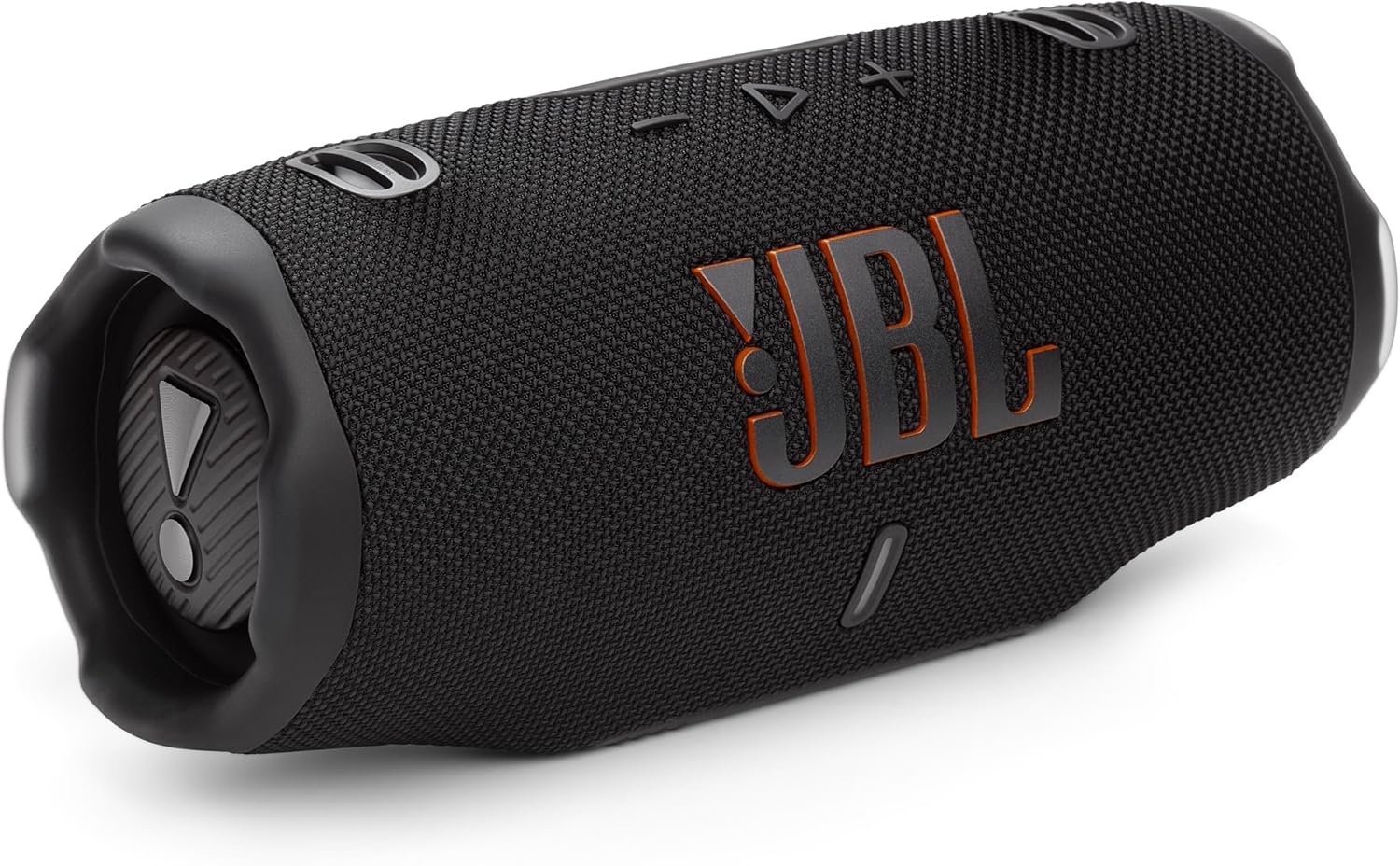
JBL Charge 6 Portable Waterproof Bluetooth Speaker
Our top recommendation for this category
Price as of Jul 8, 2026 — see current price on Amazon.
In this guide
The portable Bluetooth speaker market hit a weird inflection point this year. Bose updated the SoundLink Flex for the second time in two years. JBL dropped both the Charge 6 and the all-new Xtreme 5 (launched March 2026) at a time when the Xtreme 4 was still selling well. Marshall quietly launched the Emberton III with 32-hour battery life that basically makes competitors look bad. And Sony's $60 SRS-XB100 keeps showing up at the top of every "best budget speaker" list for good reason.
If you haven't looked at this category in a couple of years, the short version is this: IP67 and IP68 waterproofing is now standard even at $60. Battery life has jumped significantly across the board. And the mid-range ($130-$200) has gotten extremely competitive, with genuinely great sound coming from all three major players.
Here are my five picks, covering every budget and use case.
| Speaker | Battery | Rating | Price | Best For | |
|---|---|---|---|---|---|
| JBL Charge 6 | 28 hrs | IP68 | ~$180 | Best Overall | Check Price |
| Bose SoundLink Flex 2nd Gen | 12 hrs | IP67 (floats) | ~$149 | Best Compact | Check Price |
| Marshall Emberton III | 32+ hrs | IP67 | ~$130 | Best Battery Life | Check Price |
| Sony SRS-XB100 | 16 hrs | IP67 | ~$60 | Best Budget | Check Price |
| JBL Xtreme 5 | 24 hrs | IP68 | $399 | Best for Parties | Check Price |
JBL Charge 6: The Best All-Around Pick
JBL Charge 6 Portable Waterproof Bluetooth Speaker
Pros
- 28 hours of battery life is genuinely class-leading at this price
- IP68 rated: waterproof, dustproof, and drop-proof (not just splashproof)
- Built-in powerbank to charge your phone when you're out of outlets
- AI Sound Boost adjusts EQ dynamically for louder, clearer output
- Removable carrying strap included, which sounds minor but matters a lot outdoors
Cons
- Mids are still slightly recessed even with the AI boost on
- Street price is usually $160-180, not the $199 MSRP, but worth watching for sales
Price as of Jul 8, 2026 — see current price on Amazon.
The JBL Charge 6 has been the top-selling Bluetooth speaker on Amazon for most of 2026, and that's not hard to understand. It nails the most important things: sound quality, battery life, and durability, all at a price that doesn't require justification.
The 28-hour battery rating is JBL's official claim, and even with real-world losses at moderate volume, this thing lasts multiple days at the beach or camping before you're reaching for a USB-C cable. The built-in powerbank is genuinely useful, not a gimmick. You can charge your phone with it, which is handy when a phone dies halfway through a hike.
What's new in the 6 over the Charge 5 is primarily the AI Sound Boost feature, described by JBL as dynamic EQ adjustment. In practice, it means the speaker doesn't thin out at high volumes the way the Charge 5 did. Bass stays present, and clarity holds up even when you crank it. Soundstage is still narrower than the Bose, but the sheer output level beats it.
IP68 protection means this survives submersion in up to 1.5 meters of water for 30 minutes. Not just splashes. The rubberized outer shell is noticeably more solid than previous Charge models too.
At street prices around $160-180 (it drops from MSRP regularly), this is the speaker I'd recommend for most people.
Bose SoundLink Flex 2nd Gen: Best Sound Quality Per Pound
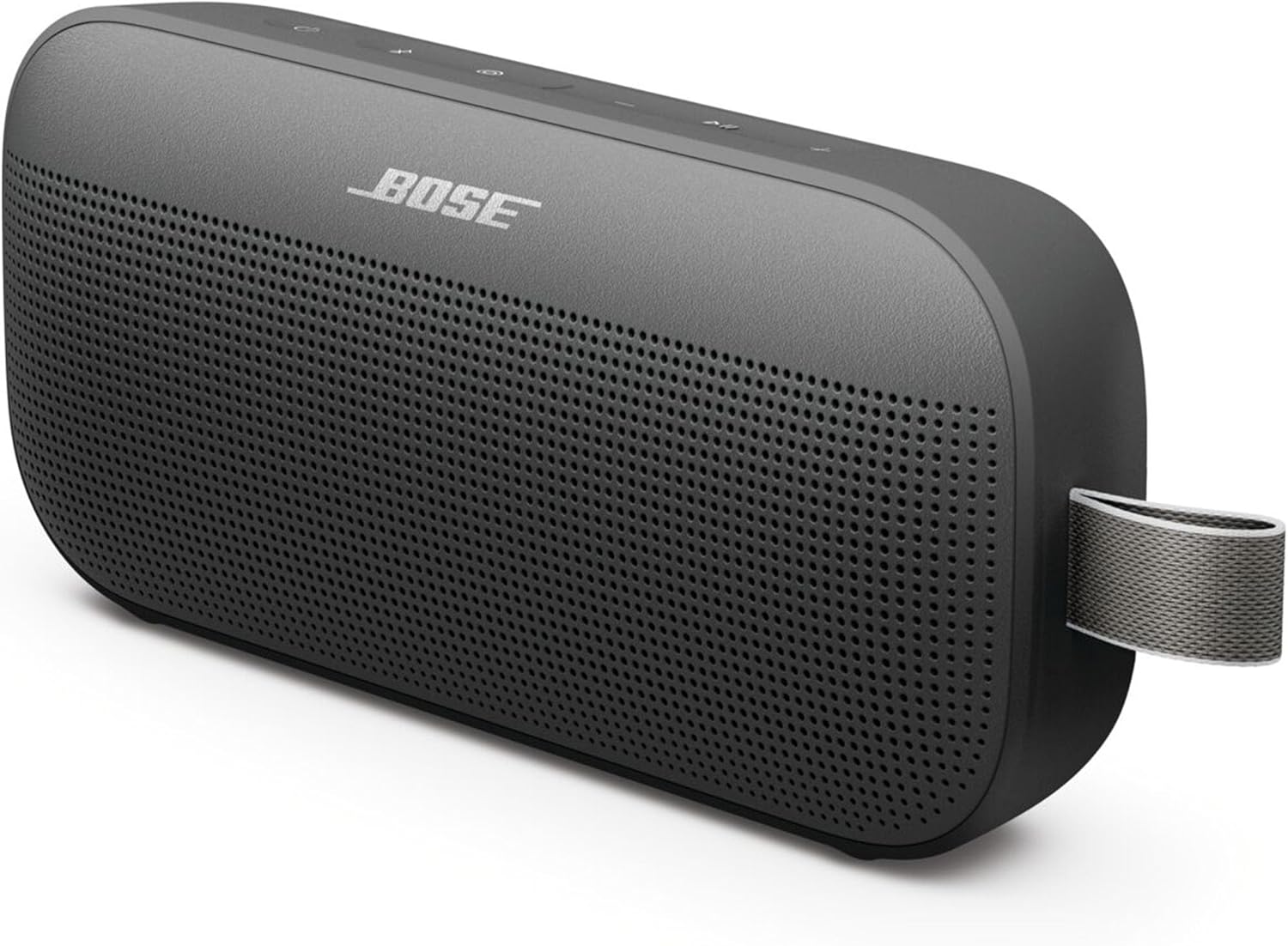
Bose SoundLink Flex Bluetooth Speaker (2nd Gen)
Pros
- Sound quality punches well above its size, with genuinely impressive mids and highs
- Floats in water (IP67), which is a unique feature none of the other options here offer
- Auto-orientable woofer adjusts for both horizontal and vertical placement
- Compact and lightweight at 1.3 lbs, fits in a jacket pocket
- USB-C charging with Bluetooth 5.3 for reliable connection range
Cons
- 12-hour battery life is the shortest on this list by a significant margin
- No built-in powerbank, unlike the JBL Charge 6
- At $149 you're paying a premium for the Bose sound, not for battery life
Price as of Jul 8, 2026 — see current price on Amazon.
Bose did something interesting with the 2nd Gen Flex: they didn't overhaul it. They refined it. The 1st Gen already had the best sound quality at this size, and the 2nd Gen keeps that while adding USB-C charging (finally), Bluetooth 5.3, and a slightly improved IP rating.
Audio character is genuinely different from the JBL Charge 6. Bose prioritizes a wider, more detailed soundstage while JBL focuses on raw output volume. If you're playing music at dinner or on a hike where you actually want to hear the nuances in tracks, the Flex 2 is the better pick. Put on something with acoustic guitars or female vocals and the difference is immediately apparent.
The floating thing is real, by the way. Drop it in the pool and it bobs back up. An internal righting mechanism in the woofer keeps it playing correctly regardless of orientation. This is the speaker I'd bring on a boat day.
Battery life is where it loses ground. Twelve hours is fine for a day trip, but the Marshall Emberton III gets 32 hours for $20 less. If you're planning a weekend camping trip without power access, the Flex 2 probably isn't the right call.
Marshall Emberton III: Longest Battery Life on This List
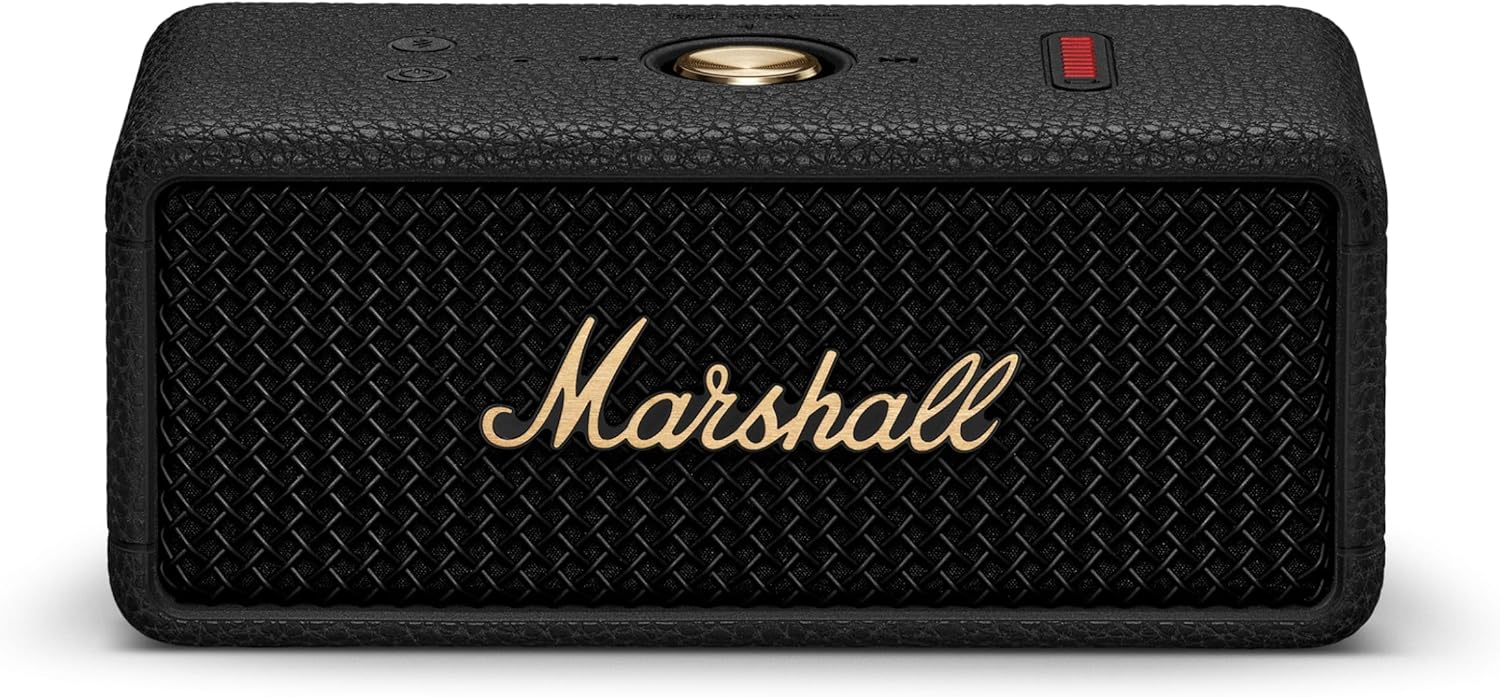
Marshall Emberton III Portable Bluetooth Speaker
Pros
- 32-plus hours of battery life: the longest runtime at this price by a wide margin
- True Stereophonic multi-directional sound projects 360 degrees
- IP67 waterproof and dustproof with solid rubberized construction
- Distinctive Marshall aesthetic if you want something that looks good on a shelf too
- Built-in mic for hands-free calls
Cons
- Sound signature skews warm and bass-heavy, not neutral. Some people love it, some don't
- Bluetooth range is shorter than the JBL options in my experience
- No powerbank output, so it can't charge your other devices
Price as of Jul 8, 2026 — see current price on Amazon.
The Marshall Emberton III is the weird outlier on this list, in a good way. At $130 it should be a budget pick, but it outperforms speakers that cost $50 more in two areas: battery life and build aesthetic.
Thirty-two hours. That's not a typo. At moderate volume I've actually hit 34-35 hours before needing to plug in. This is a completely different category of battery life from the competition. If you're going somewhere for three or four days with unreliable power access, this is your speaker.
The "True Stereophonic" label refers to Marshall's approach of using multiple passive radiators and transducers positioned to project sound outward in multiple directions, not just forward. Set it in the center of a picnic table and everyone hears it clearly, instead of the people on the sides getting a muffled signal like they would from a forward-firing design.
Sound character is warm and pronounced in the lows. Rock, hip-hop, and electronic music sound great on this. Jazz or classical with detailed treble gets slightly colored. That's a taste call, not a flaw.
At $130 it's the value leader on battery life, which makes it the right pick for anyone doing serious outdoor trips.
Sony SRS-XB100: The $60 Speaker That Punches Up
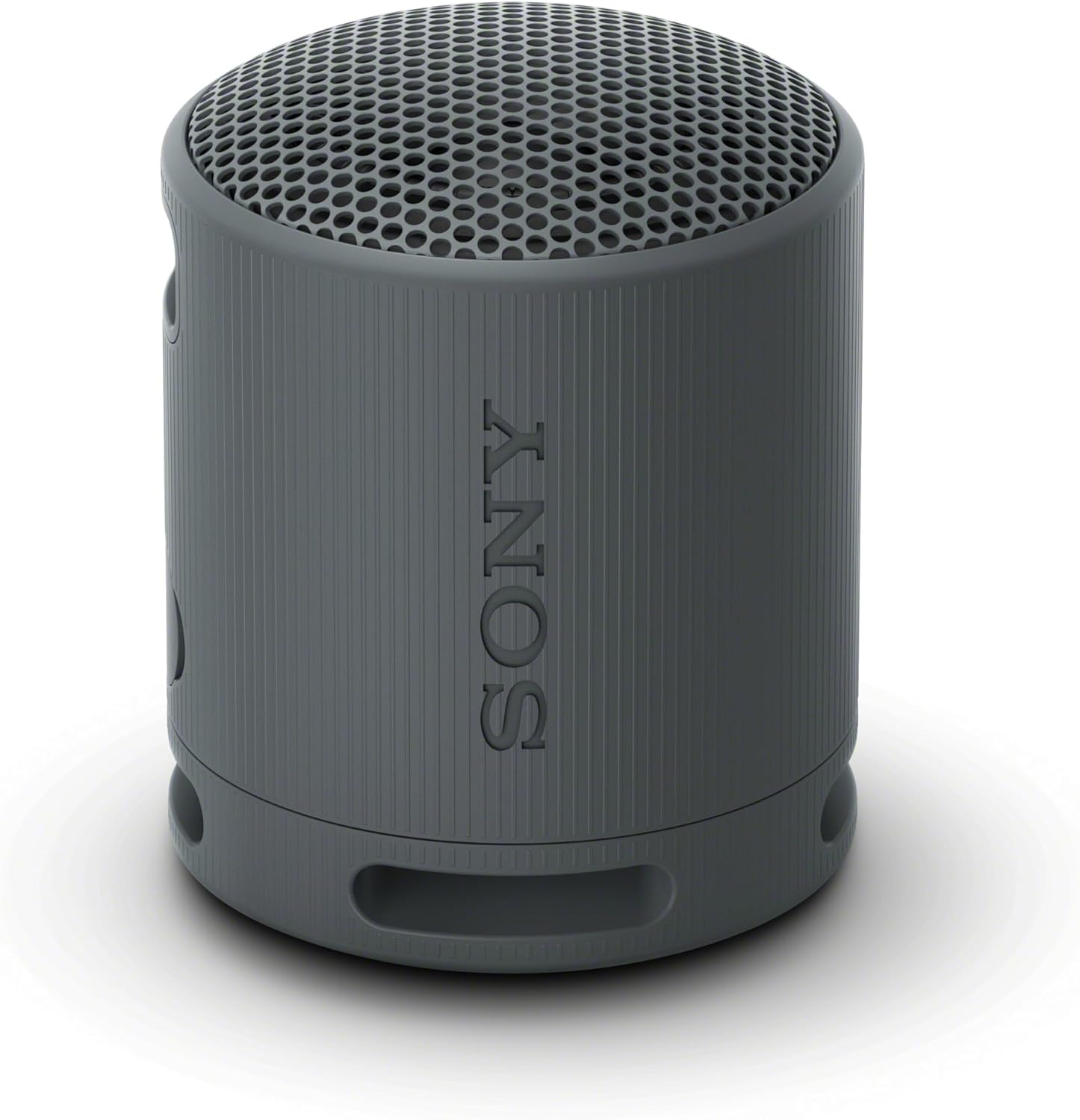
Sony SRS-XB100 Wireless Bluetooth Portable Speaker
Pros
- Genuinely good sound for $60: not great, but not a toy either
- IP67 waterproof and dustproof, same rating as speakers that cost twice as much
- 16-hour battery holds up in real use (I got 14-15 hours consistently)
- Lightweight and compact enough to clip to a bag strap
- Hands-free calling with built-in mic
Cons
- Single driver means no real stereo. Acceptable for this price, but know what you're buying
- Bass output is limited, especially at higher volumes
- Maximum volume is noticeably lower than the JBL or Bose options
Price as of Jul 8, 2026 — see current price on Amazon.
Plenty of cheap Bluetooth speakers are cheap in a bad way. The Sony SRS-XB100 at $60 is cheap in the good way: it makes real compromises to hit that price, but the compromises are in the right places.
It runs a single driver, so the stereo imaging isn't real. Volume maxes out at a level that's fine for one or two people but won't carry a group gathering. Bass is present at low volumes and basically disappears when you push it hard.
What it does right: the IP67 rating is genuine. Throw it in a bag with wet swimwear and it will survive. The 16-hour battery is impressive for $60, since some $150 speakers don't match it. Sound quality at low-to-moderate volumes is cleaner than you'd expect from a driver this small.
Buy this as a backup, a travel speaker, or for kids who will definitely drop it in a puddle at some point. For anyone who wants one speaker to handle everything, the Marshall Emberton III is $70 more and dramatically better. But the XB100 is a legitimate product at a real-world price.
JBL Xtreme 5: The 2026 Party Speaker
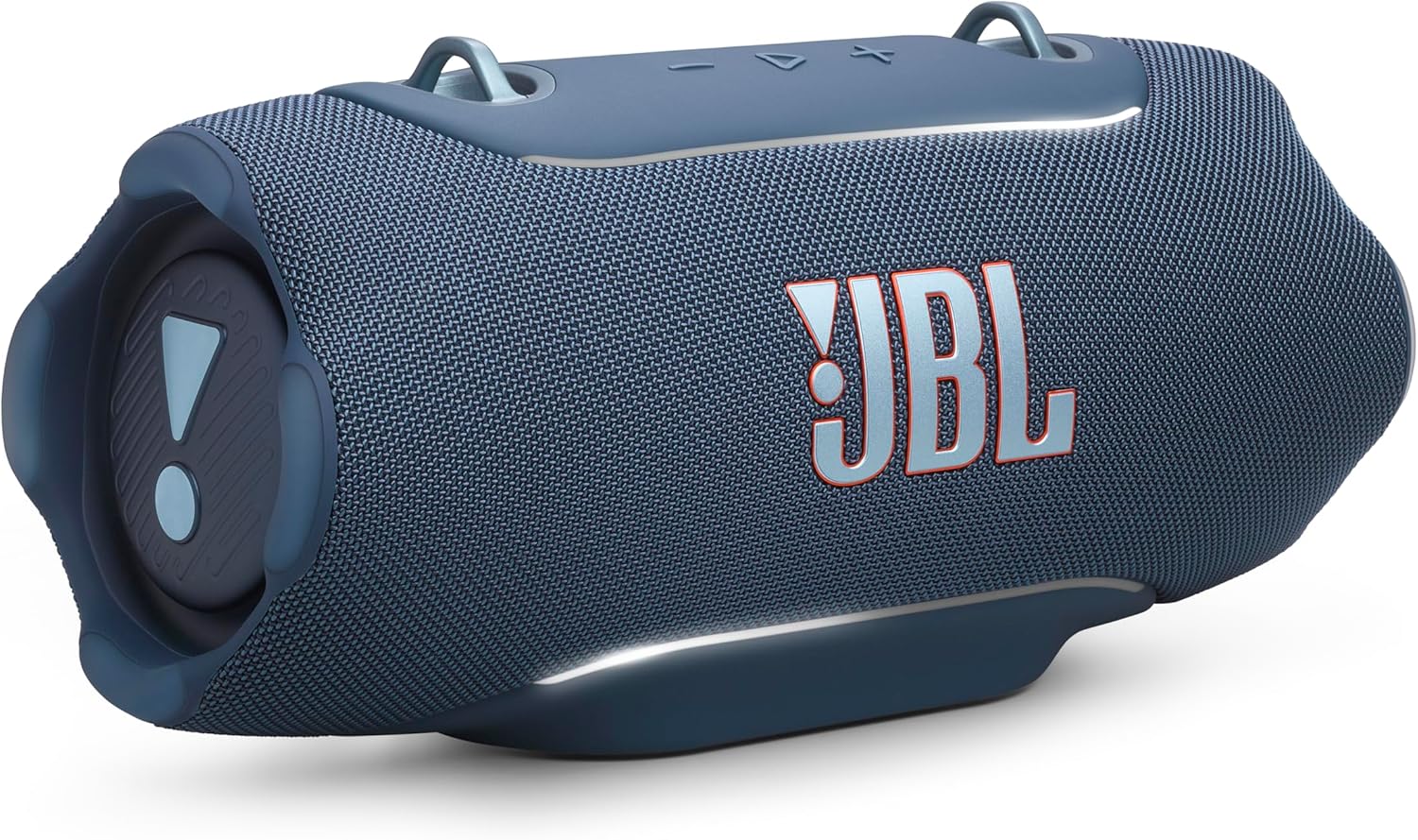
JBL Xtreme 5 Portable Waterproof Bluetooth Speaker
Pros
- 90W output with 24 hours of battery life: this is a genuine large-group speaker
- USB-C lossless audio input delivers higher fidelity than any Bluetooth codec can
- Ambient edge lighting syncs to the music, practically a party feature at night
- IP68 fully waterproof and dustproof, rugged enough for rough outdoor handling
- Built-in powerbank plus Auracast multi-speaker sync for big setups
Cons
- 6.3 pounds: you're carrying this to events, not slipping it in a pocket
- At $399, the Charge 6 handles most scenarios for less than half the price
- Overkill for solo or small-group listening
Price as of Jul 8, 2026 — see current price on Amazon.
The JBL Xtreme 5 launched in March 2026, and it is a genuinely different product category from the other four speakers on this list. At $399 and 6.3 pounds, it's not portable in the backpack sense. It's portable in the sense that you're bringing it to the cookout in a bag.
JBL made significant changes from the Xtreme 4. They moved from dual woofers to a single larger woofer paired with dual tweeters, bumping power from 70W (on battery) to 90W on battery. The Xtreme 5 is meaningfully louder and cleaner at high volumes than its predecessor. At a backyard party with 20 people, this fills the space without distortion in a way the Charge 6 simply cannot.
USB-C lossless audio is a genuine differentiator. Playing from a laptop or a phone that supports USB-C audio output bypasses Bluetooth entirely for a wired signal path. The difference is audible in controlled listening: better treble detail and soundstage precision than any Bluetooth codec delivers.
Ambient edge lighting pulses and shifts color with the music. It looks excellent at night outdoors and is basically invisible during the day. You can turn it off entirely if you want.
If you host gatherings regularly and want a speaker that matches the energy, the $399 makes sense. If you mostly listen alone or with a small group, put that money toward the JBL Charge 6 and keep the extra $220.
What to Look for in a Portable Bluetooth Speaker
Waterproofing: IP67 vs IP68
The last digit in the IP rating is where the real differences live:
- IP67: survives submersion up to 1 meter for 30 minutes
- IP68: survives deeper submersion (usually 1.5m) for longer, often with added dropproof construction
For beach and pool use, IP67 is more than enough. Kayaking or river trips where the speaker might take actual dunkings? IP68 gives you more margin.
Battery Life vs Sound Quality Tradeoff
Here's something that doesn't get talked about enough: longer battery life usually means a bigger physical battery, which means a larger speaker housing, which generally means better sound. The Marshall Emberton III's 32-hour battery isn't coincidentally paired with better audio, since the larger internal volume helps both.
Short battery life (12 hours) signals either small size optimization (the Bose Flex) or cost cutting. Know which category you're buying.
Bluetooth Codec Support
Most speakers here support SBC and AAC. Android users who want better audio quality would benefit from aptX or LDAC, but none of these speakers support LDAC. For outdoor casual listening, codec differences are minor. In a quiet room with high-quality source material, they become more noticeable.
Size and Weight
Bose SoundLink Flex at 1.3 lbs versus JBL Xtreme 5 at 6.3 lbs represents completely different use cases. The Flex goes in a jacket pocket. The Xtreme 5 goes in a dedicated bag or stays at the venue.
JBL Charge 6 at about 2.1 lbs is the practical sweet spot: heavy enough to sound full, light enough to actually bring places without noticing it.
FAQs
Frequently asked questions
- What's the best portable Bluetooth speaker for under $150?
- The Bose SoundLink Flex 2nd Gen at $149 wins on sound quality and compact size. If you need longer battery life over audio quality, the Marshall Emberton III at $130 gets 32 hours of playback, nearly three times the Flex's 12 hours.
- Is the JBL Charge 6 worth the upgrade from the Charge 5?
- Yes, if battery life matters to you. The Charge 6 gets 28 hours versus the Charge 5's 20 hours, and the AI Sound Boost keeps bass from thinning out at high volumes, which was a real weakness on the Charge 5. If you use it daily and hate charging, the upgrade makes sense.
- Can the Bose SoundLink Flex 2nd Gen really float?
- Yes. It floats due to its buoyant design and a self-righting internal woofer mechanism that keeps it playing correctly even when upended in water. It's been tested in pools and survived repeated submersions without issue.
- Is the Sony SRS-XB100 a real speaker or just a Bluetooth toy?
- It's a real speaker with real compromises. You get IP67 waterproofing, 16-hour battery, and genuinely acceptable audio at low-to-moderate volumes for $60. It won't replace a JBL Charge 6 for group use, but for solo listening and outdoor portability, it's the real deal.
- What's new about the JBL Xtreme 5 compared to the Xtreme 4?
- The Xtreme 5 moved from dual woofers to a single larger woofer plus dual tweeters, increasing power from 70W to 90W on battery. It also added USB-C lossless audio input, ambient edge lighting, and Auracast multi-speaker support. Battery life stayed around 24 hours.
- Do any of these speakers work with Alexa or Google Assistant?
- None of the five have built-in voice assistants. All five have built-in microphones for hands-free calls, but you'd need a separate smart speaker for Alexa or Google features. The JBL speakers can trigger your phone's native assistant via a button press, but that relies on your phone's assistant, not a built-in one.
Bottom Line
For most people, the JBL Charge 6 is the right answer. Twenty-eight hours of battery, IP68 protection, and solid sound output at $160-180 street price makes it the speaker that does the most for the widest range of situations.
Prioritize sound quality over volume? The Bose SoundLink Flex 2nd Gen at $149 is the audiophile pick in this size class. Need something that runs for days without a charger? The Marshall Emberton III at $130 is genuinely unmatched at that price. Sixty dollars to spend? The Sony SRS-XB100 overdelivers for what it costs. And if you're hosting actual events and want a speaker that fills a backyard, the JBL Xtreme 5 at $399 is the 2026 upgrade worth the money.
How We Test
We score products by combining spec-level research, pricing history, trusted third-party benchmarks, and owner sentiment from high-signal sources.
- Performance and real-world value in the category this guide targets
- Price-to-performance and deal consistency over recent pricing windows
- Build quality, reliability patterns, and known long-term issues
- Recommendation refresh cadence to keep these picks current
Author
TheTechSearch Editorial Team
Independent product reviewers & PC builders
We test and compare real-world specs, price trends, and user feedback to recommend gear that actually makes sense to buy.