Best Online Business Tools in 2026: Build, Grow, and Sell
The five online business tools that actually move the needle in 2026 — from no-code site builders to all-in-one platforms for solo entrepreneurs and small te...
As an Amazon Associate we earn from qualifying purchases made through our links — this doesn't affect our picks.
Starting or growing an online business in 2026 means you're picking from a crowded tool market, and the wrong choices compound. Pay for a funnel builder before you have traffic, and you're burning cash. Buy a CRM before you've validated a product, and you're managing a system instead of customers.
The five tools here cover the full arc: getting online fast (Webflow), capturing and managing leads (HubSpot), converting them through a funnel (ClickFunnels), following up with email (Kit), and doing all of it in one place for less (Systeme.io). Pick one or combine a few. What matters is matching the right tool to where you actually are.
| Tool | Best for | Starting price | Free plan? |
|---|---|---|---|
| Webflow | No-code websites and landing pages | $15/month | Yes |
| HubSpot | CRM + marketing automation | Free / $15/month starter | Yes (CRM) |
| ClickFunnels | Sales funnels and online courses | $97/month | No (14-day trial) |
| Kit | Email marketing for creators | Free up to 10k subscribers | Yes |
| Systeme.io | All-in-one: funnels, email, courses | Free up to 2k contacts | Yes |
Webflow: Build Without Coding
Webflow is the tool you want when your site needs to look professional and you can't write code, or when you can code but don't want to spend 40 hours on a custom build. It generates clean semantic HTML and CSS in the browser, which means no visual builder garbage that tanks your SEO.
The free plan lets you publish one project on a webflow.io subdomain, which is enough to test a concept or build a portfolio. The Basic site plan starts at $15/month, billed yearly, for a custom domain and removes the Webflow branding. If you're running ecommerce, that goes up.
Where Webflow earns its price: the design freedom is genuinely different from Wix or Squarespace. You're controlling typography, spacing, animations, and responsive behavior at a level that other no-code builders don't offer. The learning curve is real. Webflow has its own logic that takes a weekend to understand. But once it clicks, you build sites faster than most devs do in React.
Honestly, I'd recommend it to anyone who wants a site that doesn't look like a template.
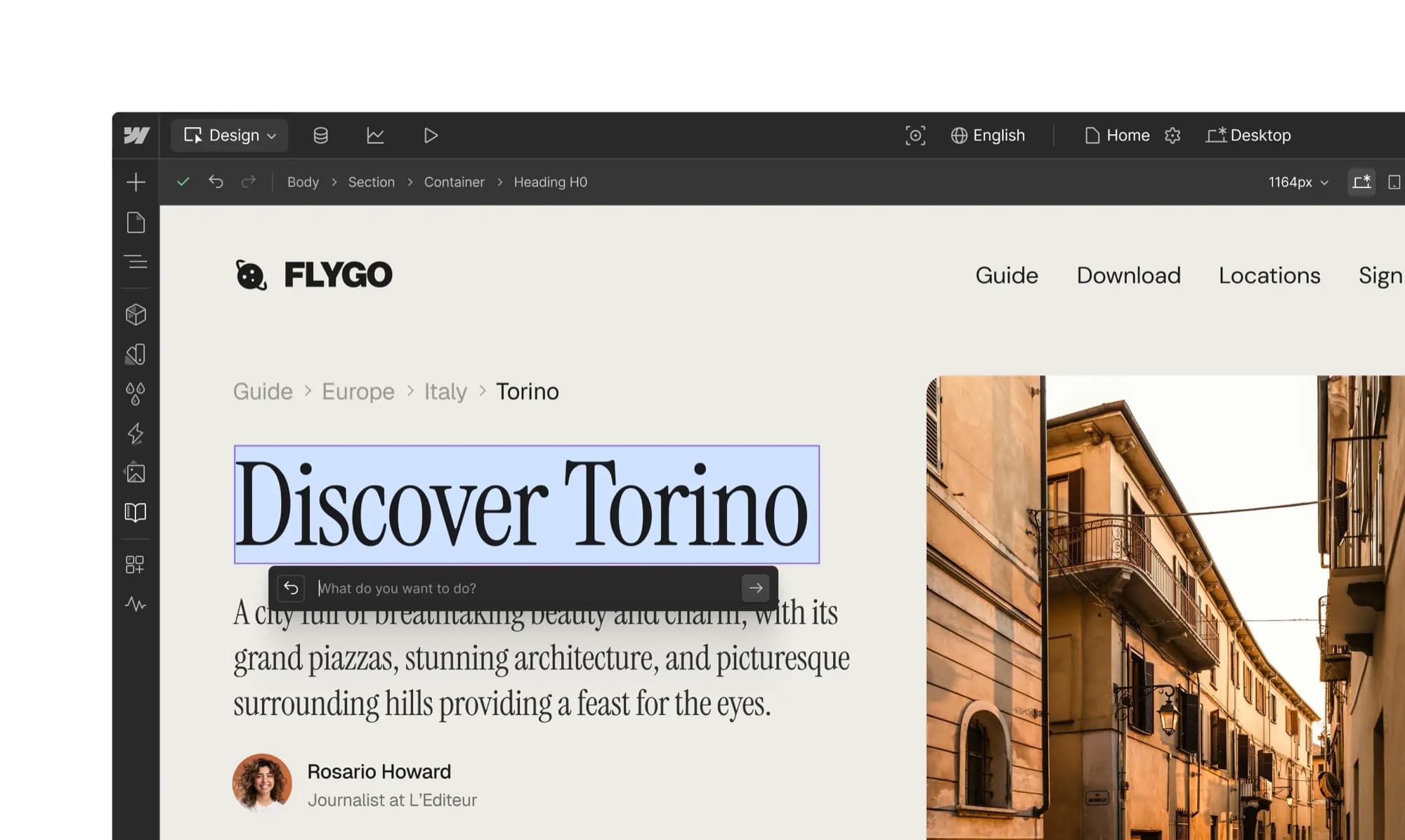
No-code site builder
Webflow
Best no-code site builder for entrepreneurs who care about design quality, starts at $15/month with a free tier for testing.
Free to build; Basic $15/mo billed yearly. Basic $25/mo billed monthly; Premium $25/mo yearly or $39/mo monthly.
Read our Webflow pageStill deciding between Webflow and WordPress for the site itself? Our Webflow vs WordPress breakdown covers the three-year cost and the maintenance question.
HubSpot: CRM That Grows With You
HubSpot's free CRM is genuinely free and genuinely useful. Contact management, deal pipelines, email tracking, meeting scheduler, no tricks, no time limits. Most small businesses can operate indefinitely on the free tier.
The paid plans add marketing automation, sequences, A/B testing, and the reporting tools that matter when you're scaling. The Starter tier at $15/month (annual) bundles the basic Marketing, Sales, and Service Hubs, which is still reasonably priced compared to paying for each separately.
Where HubSpot pulls ahead of lighter CRM options is the breadth. Once you need email marketing + CRM + landing pages + forms + live chat all talking to each other, the alternatives require 3-4 integrations. HubSpot does it natively.
The tradeoff: HubSpot is built for teams, and the UI reflects that. Solo operators sometimes find it heavy for what they're doing. If you're running a one-person operation and you just need to track leads and send a newsletter, Kit + a basic spreadsheet will serve you until you're ready for this.
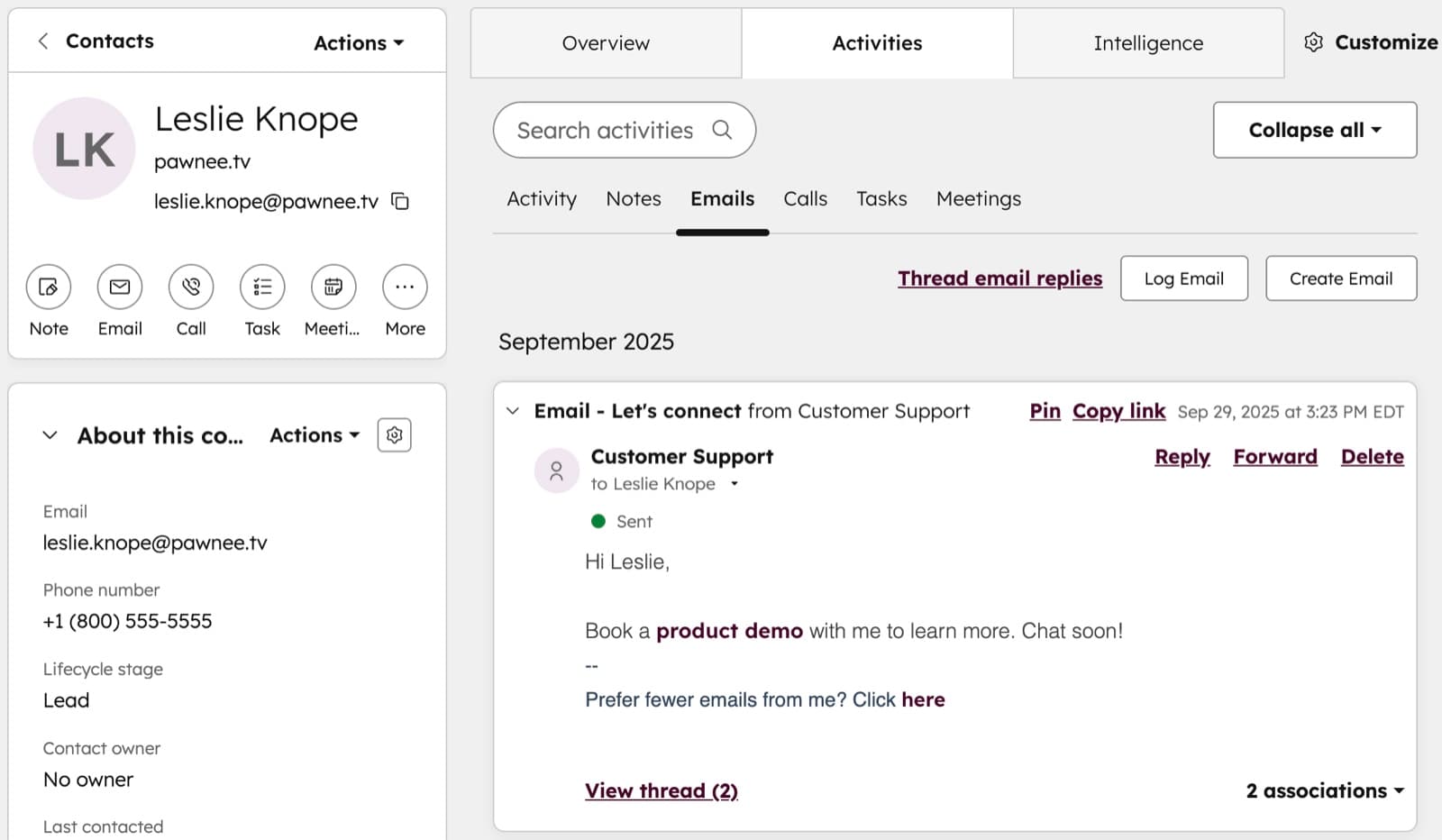
CRM
HubSpot
Free CRM that scales to a full marketing platform. The right choice when you're managing more than 20 active leads at a time.
Free for 2 users; Starter from $7 a seat a month (annual). Starter is $10 a seat a month billed monthly; the regular price is $20 a seat.
Read our HubSpot pageClickFunnels: Purpose-Built for Selling
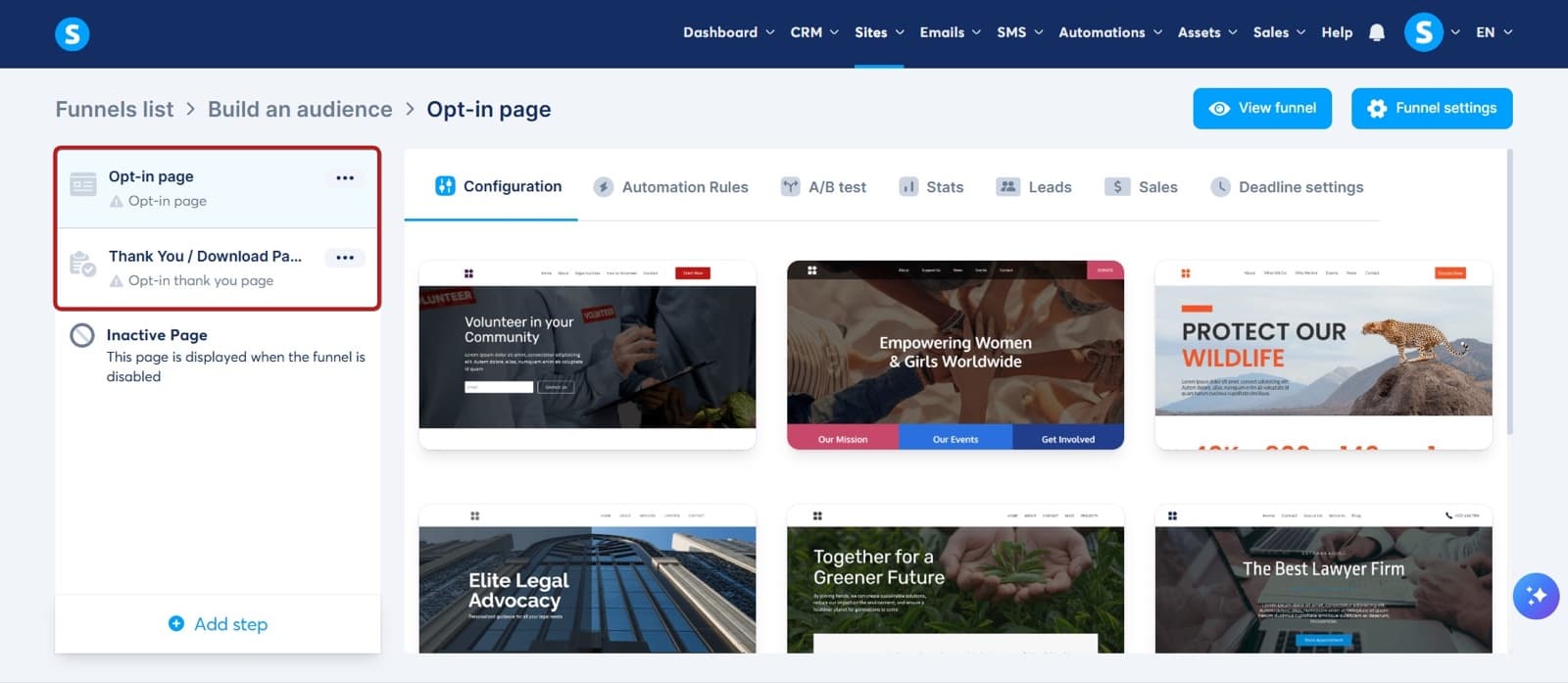
ClickFunnels has a specific job: convert visitors into buyers through a structured sequence of pages. Landing page, opt-in, order form, upsell, thank-you. The whole funnel is built in one place, with conversion optimization baked into the default templates.
The $97/month starting price is the big ask. That's $1,164/year, and there's no free plan, just a 14-day trial. You need to be selling something before this tool makes financial sense. If you have a product, a price point, and some traffic to drive into the funnel, the math often works out. If you're still validating the idea, you're paying for infrastructure you haven't earned yet.
ClickFunnels 2.0 added a course hosting platform, community features, and email marketing tools. It's trying to compete with Kajabi and Systeme.io now, which makes it worth another look for creators who would otherwise juggle multiple subscriptions.
Templates here are well-tested and proven across thousands of funnels. Whether you're at the stage where that actually matters — that's the real decision.
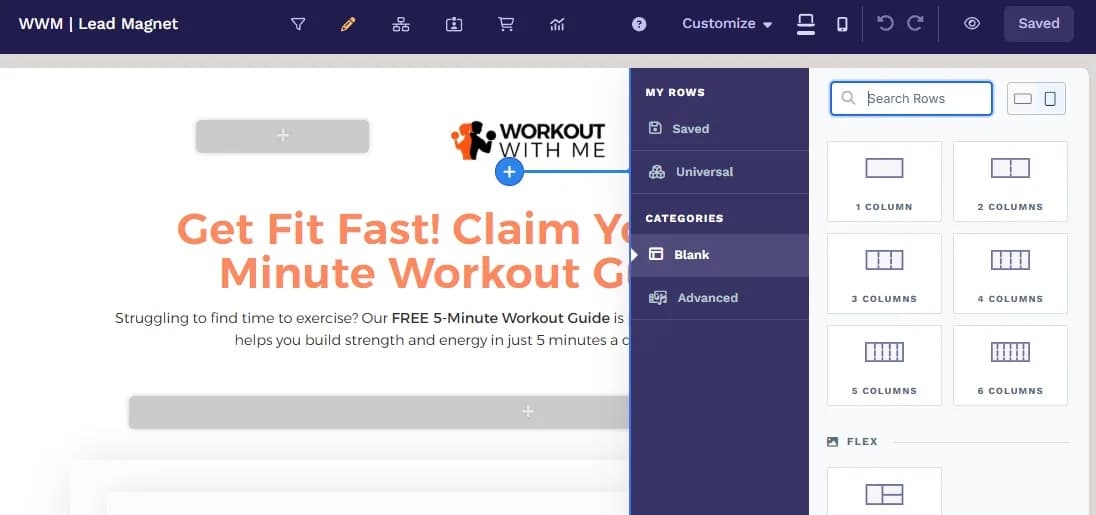
Sales funnels
ClickFunnels
The funnel builder with the deepest template library and conversion optimization, worth it once you have a product and traffic to send to it.
$97 a month, or $81 a month billed annually. Renews at $97 a month after the 14-day trial, or $970 a year on the annual plan.
Read our ClickFunnels pageKit: Email for Creators and Small Businesses
Kit (formerly ConvertKit) built its reputation among bloggers, newsletter writers, and course creators. The interface is clean, the deliverability is consistently strong, and the automation tools are sophisticated enough to handle complex sequences without requiring an ops background to configure.
The free plan covers up to 10,000 subscribers with basic broadcast emails. That's a genuinely useful free tier: most email platforms cap free plans at 500-2,000 contacts. You can build a real list before paying.
The Creator plan ($25/month for up to 1,000 subscribers) adds automations, landing pages, and integrations with Stripe for selling digital products directly from Kit. The math changes if you have a large list, so check the pricing page for your subscriber count.
Look, Kit isn't the flashiest tool in this list. But email is still the highest-ROI channel for most online businesses, and a plain-text email from Kit often outperforms elaborate HTML campaigns from competitors. There's something to be said for the basics done well.
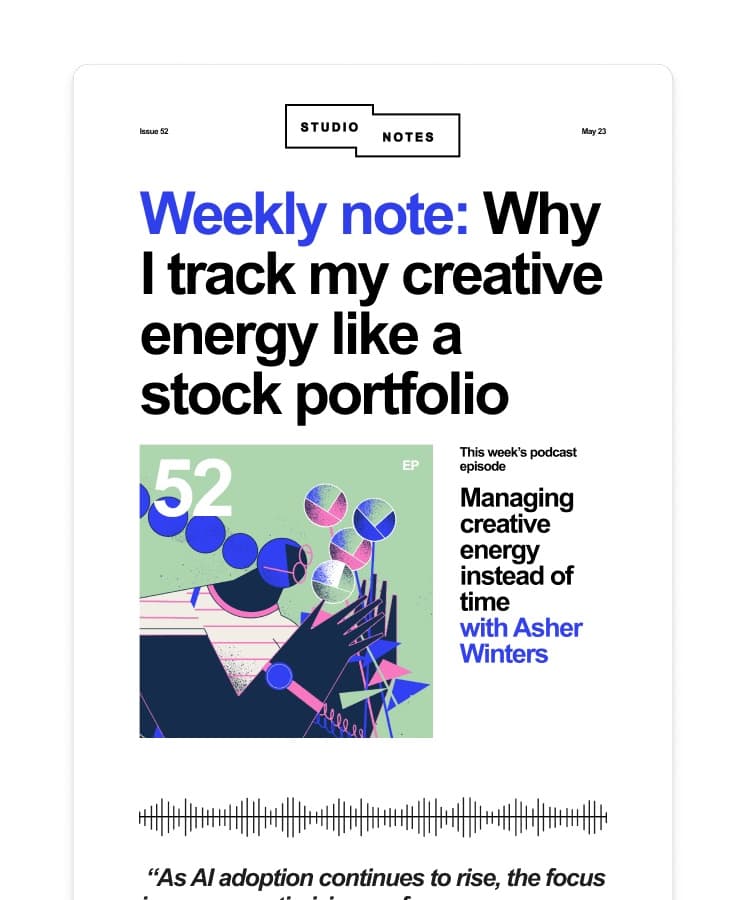
Email marketing
Kit
Starts free up to 10,000 subscribers, the go-to email platform for creators, newsletters, and course-based businesses.
Free to 10,000 subscribers; Creator from $33 a month, yearly. Billed monthly instead, Creator is $39 a month at 1,000 subscribers.
Read our Kit pageSysteme.io: Everything, Free, in One Place
Systeme.io might be the most underrated tool in this list. The free plan includes unlimited email sends to up to 2,000 contacts, one funnel (3 steps), one course, one membership site, and automation workflows. That's not a stripped-down trial. It's enough to run a real business.
Upgrading to Startup ($27/month) unlocks 5 funnels, 10 courses, and 10,000 contacts. At $97/month, the Unlimited plan removes nearly every cap.
Compared directly to ClickFunnels: Systeme.io covers about 80% of the same ground at one-third the price or less. That remaining 20% gap lives in template quality and split-testing depth. If you're a detail-oriented marketer running high-volume split tests, ClickFunnels wins. If you're building your first funnel and want a $0 starting point, Systeme.io is the rational choice.
HubSpot is a stronger CRM. Kit has better email deliverability data. But for an entrepreneur who wants to launch fast without subscribing to four separate tools, Systeme.io eliminates the stack.
All-in-one marketing platform
Systeme.io
The best all-in-one platform for entrepreneurs who want to launch without paying for multiple tools, genuinely useful free plan.
Free plan $0 forever, paid from $17 a month. Yearly is $170, $470 or $970 — two months free, prices include tax.
Read our Systeme.io pageHow to Choose
Just starting out and need a website: Webflow (free tier) to get online. Add Kit (free) when you have an audience to email.
Growing a service business with active leads: HubSpot free CRM. Upgrade to Starter when your deal volume justifies it.
Selling a product or course and need a funnel: Systeme.io first (free). Move to ClickFunnels when your revenue supports it and you need deeper split testing.
Creator building a subscription or community: Kit for email. ClickFunnels or Systeme.io for the sales funnel. You don't need HubSpot until you're managing a sales team.
Solo operator who wants one login: Systeme.io. It doesn't win any category outright but it covers every job adequately, and the free plan is real.
What to Skip
Every tool in this list is worth its price for the right use case. But buying all five before you have revenue is how you end up paying $400/month for software you don't need yet.
Start with the free tiers. Let your actual constraints determine the upgrade. Webflow's free plan covers a lot. HubSpot's CRM is genuinely free. Kit and Systeme.io both have free plans that aren't marketing gimmicks. Use those first.
Frequently asked questions
- Is Systeme.io actually free?
- Yes. The free plan supports up to 2,000 contacts, unlimited email sends, one funnel, one course, and one membership site. There are no time limits. It's a real working tier, not a 14-day trial. You'd need to upgrade to the Startup plan ($27/month) when you exceed those limits or need more than one funnel.
- Can I replace HubSpot with Systeme.io?
- For basic CRM needs, yes. Systeme.io tracks contacts, tags them based on behavior, and fires automation sequences. What it doesn't have is HubSpot's depth: deal pipelines, sales sequences, call tracking, detailed reporting. If you're managing a sales team or complex B2B deals, HubSpot is the right tool. For a solo operator doing online sales, Systeme.io covers 80% of what you'd actually use.
- Is Webflow good for ecommerce?
- Webflow handles ecommerce, but it's not Shopify. It works well for product catalogs with fewer than 100 SKUs where design control matters, think a boutique store or physical goods alongside a service business. For a high-volume online store or anything complex (variants, subscriptions, POS integration), Shopify is the more capable choice. Webflow wins on design; Shopify wins on commerce infrastructure.
- Is ClickFunnels worth $97/month?
- It depends on what you're selling. If you have a digital product, a course, or a coaching offer with a price point above $100, a well-built ClickFunnels funnel can generate enough extra conversion to pay for itself in the first month. If you're still building the product or haven't validated demand, it's an expensive place to start. Try Systeme.io's free funnel first. If you're converting and want more optimization tools, then the ClickFunnels upgrade makes sense.
- What's the difference between Kit and Mailchimp?
- Kit (formerly ConvertKit) is built for content creators and businesses that sell digital products. Its automation is more visual and easier to reason about, its deliverability has a strong reputation, and the tagging system lets you segment precisely. Mailchimp is broader and cheaper at very small list sizes, but its interface has become cluttered and its deliverability has faced more criticism in recent years. For newsletters, course launches, and creator businesses, Kit is the cleaner choice.
- Do I need all five of these tools?
- Almost certainly not. Most online businesses can start with one or two tools and expand only when a specific constraint appears. The free tiers of Webflow, HubSpot, Kit, and Systeme.io cost nothing. Use them to learn what you actually need before paying for anything.
Bottom Line
No single tool in this list is the universal right answer. Webflow wins on design. HubSpot wins on CRM depth. ClickFunnels wins on funnel sophistication. Kit wins on email and creator-focus. Systeme.io wins on value and breadth at low price. The right stack depends on where you are: what you're selling, how big your audience is, and what constraint is actually holding you back right now. Start free where you can. Upgrade when the data tells you to.
And before you add a CRM to the stack at all, it's worth checking whether you've actually crossed the threshold. Our guide to whether you need a CRM lays out the three signals that mean yes, and the cases where a spreadsheet is still the better tool.
How We Pick
We pick products by combining spec-level research, price checks, trusted third-party benchmarks, and owner sentiment from high-signal sources.
- Performance and real-world value in the category this guide targets
- Price-to-performance and deal consistency over recent pricing windows
- Build quality, reliability patterns, and known long-term issues
- Recommendation refresh cadence to keep these picks current
Author
TheTechSearch Editorial Team
Independent product reviewers & PC builders
We compare real-world specs, reviews and owner reports, price trends, and user feedback to recommend gear that actually makes sense to buy.